
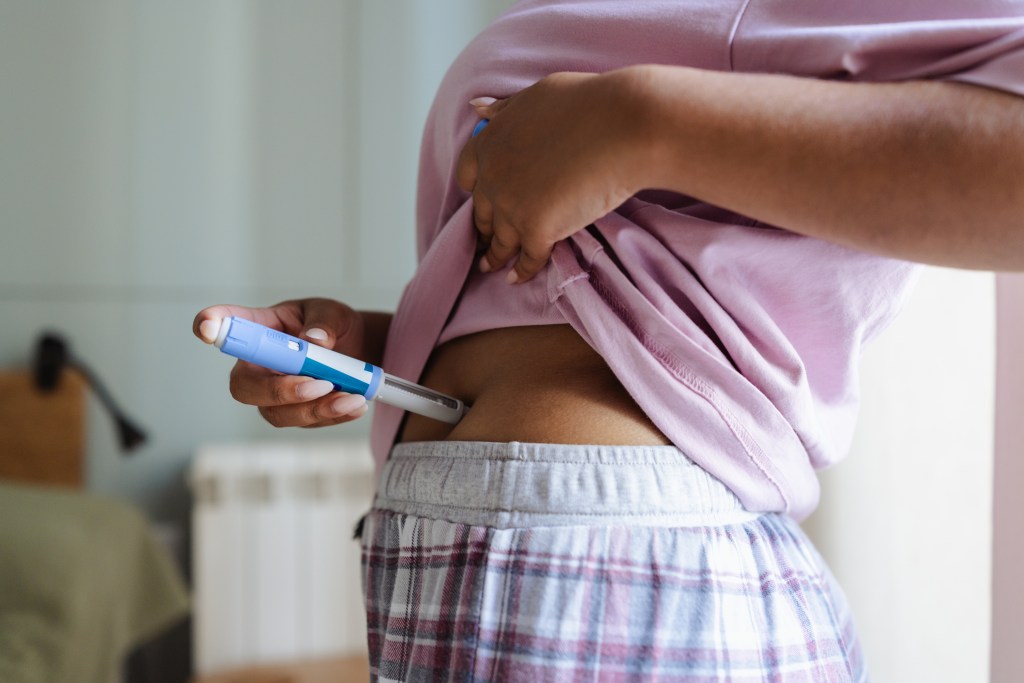
GLP-1 medications like Ozempic, Wegovy, and Zepbound have significantly influenced weight management and diabetes control. However, studies reveal that many patients discontinue these drugs within a year. Stopping these medications poses potential rebound risks, including rapid weight regain and the loss of cardiovascular advantages.
Reasons for Discontinuation
Dr. Frank Dumont, an internal medicine physician and executive medical director at Virta Health, explains why some patients stop using GLP-1 medications. Patients may have medical concerns or experience side effects such as nausea, vomiting, constipation, and diarrhea. Others may dislike staying on long-term medication.
“People often find it difficult to eat properly due to these side effects,” Dr. Dumont shared. “It’s important to decide with your physician whether to continue the medication.”
Severe side effects, like acute pancreatitis, necessitate immediate discontinuation, although rare. Additionally, GLP-1 medications carry warnings about thyroid tumors based on animal studies. They are not recommended for those with a history of medullary thyroid carcinoma or multiple endocrine neoplasia syndrome type 2 (MEN 2).
Potential Risks After Stopping GLP-1s
Return of Hunger and Cravings
The first noticeable effect after stopping GLP-1 is the return of intense cravings and increased appetite. Dumont stresses that obesity is a chronic condition requiring ongoing management. Returning to previous eating habits leads to increased hunger.
Weight Regain
Patients often experience weight regain after stopping GLP-1s. The STEP 1 trial extension showed participants regained two-thirds of lost weight within a year of stopping semaglutide and lifestyle changes. Similarly, in the SURMOUNT-4 trial, those switched to placebo regained over half the lost weight despite diet and exercise counseling.
Change in Biomarkers
GLP-1 usage improves biomarkers such as blood sugar, blood pressure, and cholesterol. Discontinuation of the drug can reverse these improvements unless counteracted by dietary changes. Improvements in fatty liver disease also diminish when treatment stops.
Worsening Body Composition
Using GLP-1s results in weight loss, including both fat and muscle mass. A body-composition study of tirzepatide found 25% of lost weight was lean mass. Concern arises when muscle is not fully regained after stopping treatment, which affects metabolism and daily activities.
Mental Health Effects
Stopping GLP-1s can impact mental health. Many patients view GLP-1s as a final solution, and stopping can lead to feelings of disheartenment and loss of control.
Loss of Health Protection
An observational study in BMJ Medicine revealed that adults with type 2 diabetes who ceased GLP-1 treatment faced higher risks of cardiovascular events compared to those who continued. Prolonged periods without the medication increased these risks.
Maintaining Progress
Achieving metabolic goals and lasting lifestyle changes aid in maintaining progress after stopping GLP-1 treatment. Dr. Dumont stresses the importance of sustainable eating habits and working with clinicians to plan a successful discontinuation while monitoring weight and blood sugar levels.
“The GLP-1 is not the only solution,” Dumont remarked. “It needs to be coupled with a sustainable way of eating for long-term success.”