
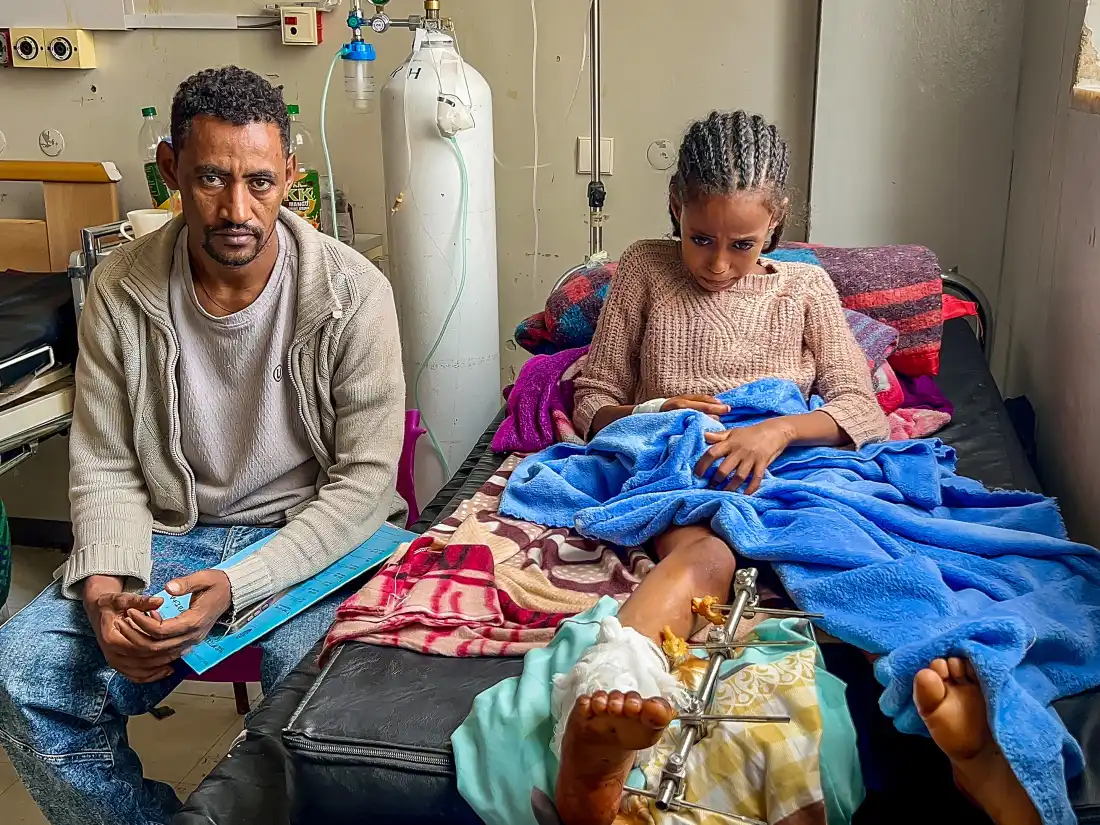
Betelhem, a 10-year-old girl, lies with her father at Ayder Referral Hospital in Mekelle, Ethiopia. She was injured in artillery shelling in Alamata during renewed fighting between the Tigray People’s Liberation Front and federal forces. This outbreak began on September 23 and raises fears of a return to the civil conflict from 2020 to 2022. The healthcare system is under significant strain.
A surgeon in Ethiopia notes the chaos following the ceasefire collapse on September 24. Injured individuals flooded Mekelle’s hospitals. Surgeons operated non-stop amidst electricity and communication outages. The hospital faced a deluge of trauma patients, with floors crowded, leaving no room to move. The surgeon’s identity remains private due to potential reprisals for treating rebel fighters.
Ongoing violence raises the specter of civil war revival. The Ethiopian military accuses several countries of supporting Tigrayan militants. Recent drone strikes killed 15, including children. WHO’s Director-General Tedros Adhanom Ghebreyesus states that these events push the fragile health system to the brink.
Difficulties included uncertainty about patient numbers due to disrupted communications. Some patients wore uniforms, revealing their combatant status. The lack of services and funds compounds the crisis, leaving doctors unpaid for months. Tedros, himself Tigrayan and a former Ethiopian health minister, highlights severe shortages in medicines, ambulances, and staff.
“The most courageous choose peace,” writes Tedros, emphasizing the need for civilian protection and healthcare access.
Targeted attacks on healthcare, regarded as war crimes, are a global concern. WHO data indicates over 960 deaths in healthcare attacks across 19 countries this year. Funding cuts add to the harm, including the dismantling of USAID in 2025. Lindsey Green from Physicians for Human Rights signals the eroding norm of healthcare protection during conflicts.
The previous two-year Tigray war saw approximately 600,000 deaths. Most health facilities in Tigray remain partially functional, worsened by federal aid blockades. Despite a 2022 peace agreement, healthcare attacks persist. A report by Physicians for Human Rights details these ongoing issues.
Many health workers reported attacks on ambulances and forced occupations of medical facilities. Armed groups aim to destroy or commandeer medical resources. Green states the attacks reflect both rebel and governmental retaliations, leaving victims without justice.
Contact with Ethiopian officials yielded no response. Doctors report healthcare devastation due to war focus on health centers and foreign aid withdrawal. A Tigrayan healthcare worker reported over 100 maternal deaths in childbirth, attributing this to systemic inadequacies, such as medication and fuel shortages.
An independent review during the Tigray war noted a fivefold increase in maternal mortality rates. Clinics ceased to serve pregnant women, and systemic rape was a weapon of war. Healthcare workers face accusations of supporting rebels.
Ayoda Werede from Health Professionals for Tigray recognizes ongoing supply thefts by unknown groups, exacerbating the conflict’s impact on healthcare. Ethiopia’s overstretched health systems face further challenges as conflicts reignite.
The surgeon in Mekelle fears recurring patterns, pointing out the loss of many Tigrayan doctors to migration. “A repeat of what’s happened in the past,” he remarks, noting the insecurity.