
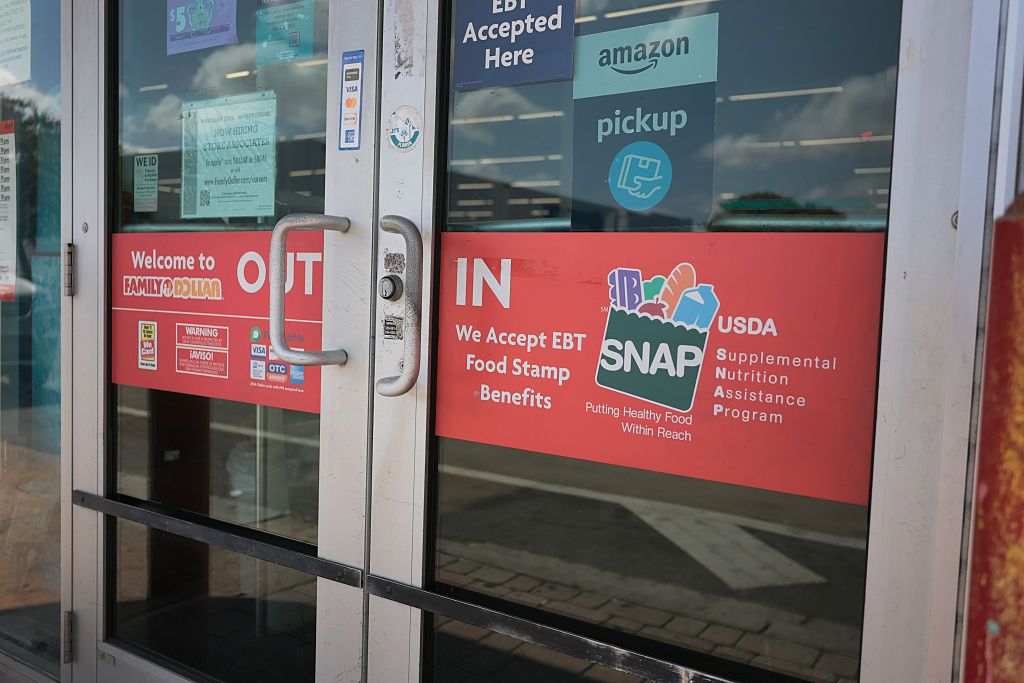
Since President Donald Trump signed sweeping changes to the Supplemental Nutrition Assistance Program (SNAP) into law in July 2025, millions of Americans have dropped from the program, including an estimated 2 million children. This steep decline raises concerns as states prepare to implement new Medicaid work requirements in January, which could also affect families losing food assistance.
SNAP Enrollment and Impact on Children
The Center on Budget and Policy Priorities analyzed federal and state data, finding that SNAP participation fell by 5.5 million people, or 13 percent, between July 2025 and July 2026. The participation rate reached 36.1 million, the lowest in 17 years. The organization estimates that approximately 2 million children stopped receiving benefits during this period.
Gina Plata-Nino from the Food Research & Action Center stated that since the law was enacted, many families have lost access to SNAP because of burdensome reporting requirements. This affects children’s access to food programs and school meals, risking their nutrition and health.
Debate on SNAP Participation Decline
The Trump administration contests attributing the decline in SNAP participation to any single policy. A USDA spokesperson emphasized that SNAP remains an appropriated entitlement, meaning eligible households receive benefits. USDA attributed fluctuations in participation to various reasons, noting declines in some states before H.R. 1’s enactment.
Dr. Lee Bowes, CEO of America Works, argued that work requirements can be challenging for those with barriers like childcare or inconsistent job hours. She cited a client’s experience losing food assistance due to uncontrollable work schedule disruptions as an example.
SNAP and Medicaid Enrollment Divergence
The decrease in SNAP enrollment is faster than that in Medicaid and CHIP. In states with comparable data, about 1.6 million fewer children received SNAP by May 2026, a 15.7 percent decline, compared to a 6.3 percent decline in Medicaid and CHIP enrollment. Differences in protection against coverage loss between programs contribute to this divergence.
Families losing SNAP face financial strain. Financial educator Michael Ryan noted that losing food assistance often forces families to shift spending away from necessities, compounding financial issues.
Challenges for Food Banks and Future Costs
Triada Stampas from Fulfill, a hunger-relief organization, observed increased demand as families turn to food banks due to SNAP disruptions. For every meal a food bank provides, SNAP provides nine, underscoring the gap left by SNAP losses.
Starting October 1, 2027, most states will bear part of SNAP costs based on payment error rates, potentially costing about $9 billion. Federal cuts to state administrative funding add pressure while implementing new requirements.
Medicaid Work Requirements in 2027
New Medicaid work requirements will apply to certain adults under Medicaid expansion starting January 2027. While the Trump administration argues the policy will promote employment, it may increase uninsured rates. Concerns arise about indirect effects on children’s coverage when parents lose benefits.
The Georgetown University Center for Children and Families warns that declines in SNAP enrollment serve as a cautionary tale as states move toward Medicaid work requirement implementation. The current trajectory suggests vulnerabilities persist.