
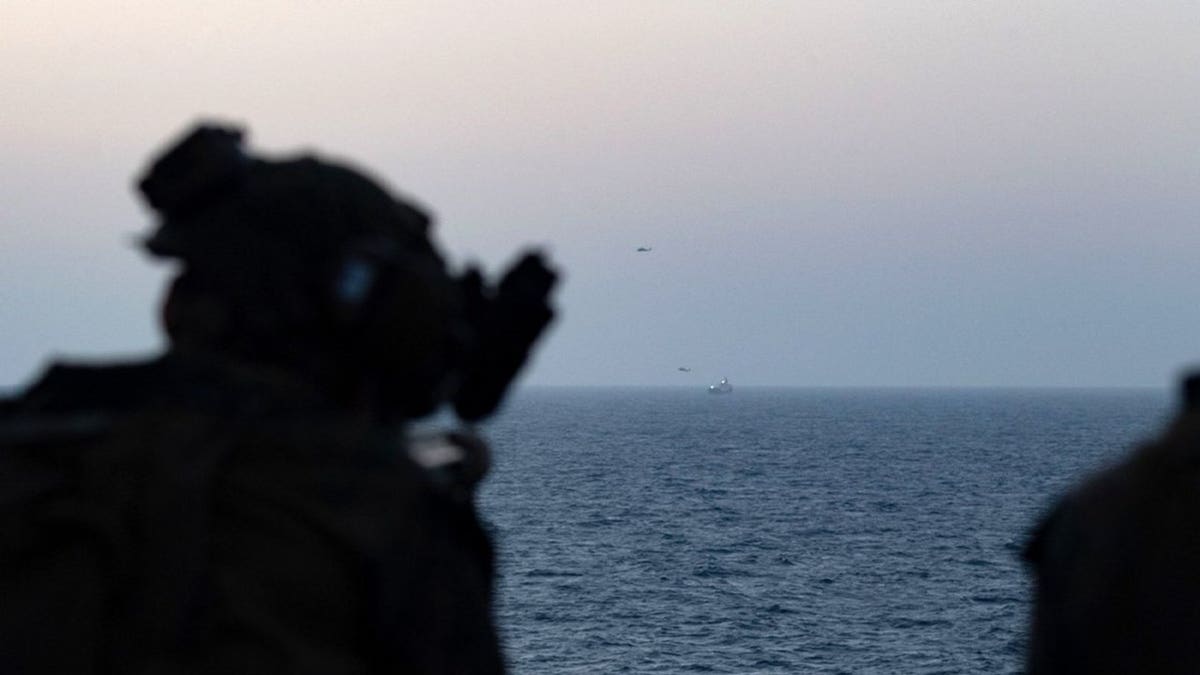
Small Iranian tankers, often referred to as a “ghost fleet,” are managing to bypass the U.S. naval blockade and deliver sanctioned liquefied petroleum gas (LPG) to China. This activity has been reported by U.S. investigators who recorded one of these vessels in September. United Against Nuclear Iran (UANI), the organization behind the investigation, revealed that at least nine tankers have slipped past U.S. restrictions in recent months.
One identified tanker, the SOGL, reportedly collected around 500,000 barrels of Iranian LPG from an Iranian port in August. It then bypassed the U.S. blockade en route to China, stopping at a Malaysian offshore anchorage for fuel and services along the way.
“This tanker loaded its Iranian LPG from Assaluyeh Port, Iran, in late August and breached the U.S. blockade,” explained Jemima Shelley, a senior analyst at UANI. “While most vessels are stopped, a few like these small tankers successfully breach the blockade.”
The Malaysian Eastern Outer Port Limits Anchorage (EOPL) plays a crucial role in this operation. Located about 70 kilometers from Malaysia’s coast, it serves as a pivotal location for ship supplies and cargo transfers.
UANI monitored the SOGL before it arrived in Malaysian waters. Their team observed the vessel at EOPL engaging in unlawful activities, along with other Iran-flagged cargo ships.
The U.S. reinstated the maritime blockade on Iranian ports in July following collapsed diplomatic negotiations. This blockade effectively halted Iran’s crude oil exports, putting economic pressure on Tehran.
“The blockade successfully prevents Iranian oil and petrochemicals from departing the Gulf of Oman,” said Shelley. “No Iranian crude oil has successfully left since the blockade’s reinstatement in July.”
Tankers attempting to evade detection turn off their Automatic Identification System (AIS) and may fly false flags. This tactic renders them stateless and complicates tracking efforts.
Ship-to-ship transfers, particularly with LPG, pose significant risks. Smaller tankers continue these practices despite dangers involved, often near the Persian Gulf or the Strait of Hormuz.
The U.S. Treasury Department’s Office of Foreign Assets Control placed the SOGL on its sanctions list over its involvement in transporting Iranian petroleum products. This vessel, operated under various flags, reflects the intricate network used by these “ghost fleet” tankers.
China remains a primary destination for Iranian oil and LPG, sustaining a significant trade relationship despite U.S. sanctions. China has historically purchased the majority of Iran’s liquid cargo exports.
UANI’s surveillance noted that instead of a ship-to-ship transfer, the SOGL proceeded directly to Xinzhou Port in China to discharge its cargo. Additionally, other vessels, like the U.S.-sanctioned LPG carrier G Summer, have been tracked moving near the blockade line, indicating ongoing efforts to deliver Iranian outputs.