
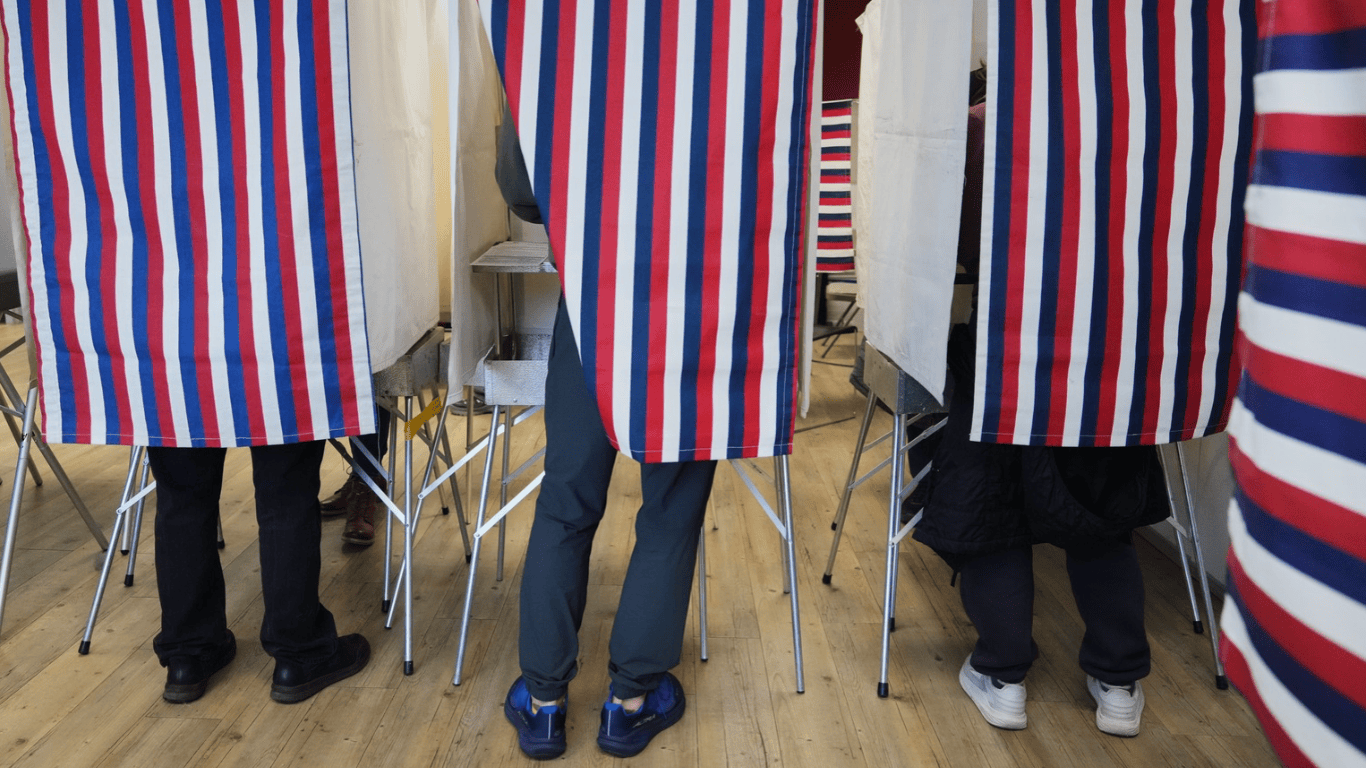
Thomas Evans, who spent about 20 years setting up voting booths at the Nanwalek community center in Alaska, recalls a time when most villagers participated in voting. During the 1980s and ’90s, he checked in neighbors as they arrived to vote. Today, Evans reports there is no regular polling place in Nanwalek on Election Day.
“There’s no polling place anymore,” Evans shared with Newsweek, stating it has “really kind of handicapped our village, not being able to turn in a reliable count for who the people want.”
Nanwalek is among at least 18 rural Alaska communities involved in a lawsuit filed Thursday. The lawsuit accuses the state of listing in-person voting sites that failed to open. Most of these communities are Alaska Native villages accessible only by air or boat. This case is particularly pressing with a U.S. Senate race nearly within margin, seeking judicial attention before voting begins.
Legal Action and Claims
The lawsuit, titled Midnight Sun Independence Fund v. Dahlstrom, was presented in Anchorage Superior Court against Lt. Gov. Nancy Dahlstrom, Division of Elections Director Carol Beecher, and the division itself. It claims that the closure of advertised sites without notice breaches the Alaska Constitution’s voting rights and due process. The court is being asked to mandate the opening of every listed site, with a hearing set for Monday.
Additionally, the Alaska Democratic Party and rural state lawmakers raised a similar case Friday, suggesting these closures potentially breach a federal consent decree mandating language assistance for Yup’ik-speaking voters in Western Alaska.
Historically, Alaskans can vote in person 15 days before an election. In rural regions, this often involves absentee in-person voting. An official distributes the ballot, and it is sealed and counted later. In 2024, approximately 18,158 people voted this way. The lawsuit points out that at least 18 sites were not operational as advertised on the state’s website.
State Disputes and Details
The state disputes the extent of the closures. An Oct. 26 letter from Beecher to state Sen. Bill Wielechowski noted 12 sites confirmed open, three refused to open, and three did not respond. However, there was no disclosure on which sites fell into each category.
Beecher mentioned that each site had agreements on location and hours, and the state sent absentee ballots to officials in 109 Western Alaska communities. As of Sunday, the state marked three sites “temporarily closed” and removed three others from the list.
Nanwalek’s Voting Scenario
The lawsuit sheds light on Nanwalek’s predicament. With no regular precinct, residents face travel to Tyonek across the Cook Inlet to vote. A flight to Homer costs about $200, followed by a drive and another flight, making the journey prohibitive for most villagers.
Evans, who moved to Anchorage, shared that the village’s polling place disappeared in the early 2000s, leading to plummeting voter turnout and confusion. He recounted that in 2000, Nanwalek had its precinct, but by 2022, voter turnout was drastically lower.
Currently, ballots are mailed to households, but unreliable mail service and inclement weather often delay delivery, hindering voting. Evans highlighted the challenges of reaching distant polling locations, akin to obtaining groceries from distant stores.
The Importance of Every Vote
This year, future voting site closures are crucial due to a tight Senate race between Mary Peltola, a Yup’ik former congresswoman, and Republican Dan Sullivan. Polls show a narrow gap, emphasizing the importance of each vote. Alaska’s elections have frequently been decided by slim margins, underscoring the impact of even a few hundred votes.
A federal judge recently dismissed a Justice Department lawsuit that sought to prevent Senate result certification if Sullivan lost, citing voter confusion.
Ongoing Developments and Community Impact
The Division of Elections representative, Steve Kirch, refrained from disclosing specific site statuses, citing ongoing litigation. The division confirmed various methods for voters, such as mail and electronic submissions, but did not identify if Nanwalek’s site was operational for in-person voting.
Contact with Nanwalek residents regarding the absentee in-person voting site setup went unanswered. The Midnight Sun case hearing occurs on Monday, potentially allowing brief usage of reopened sites on Election Day.