
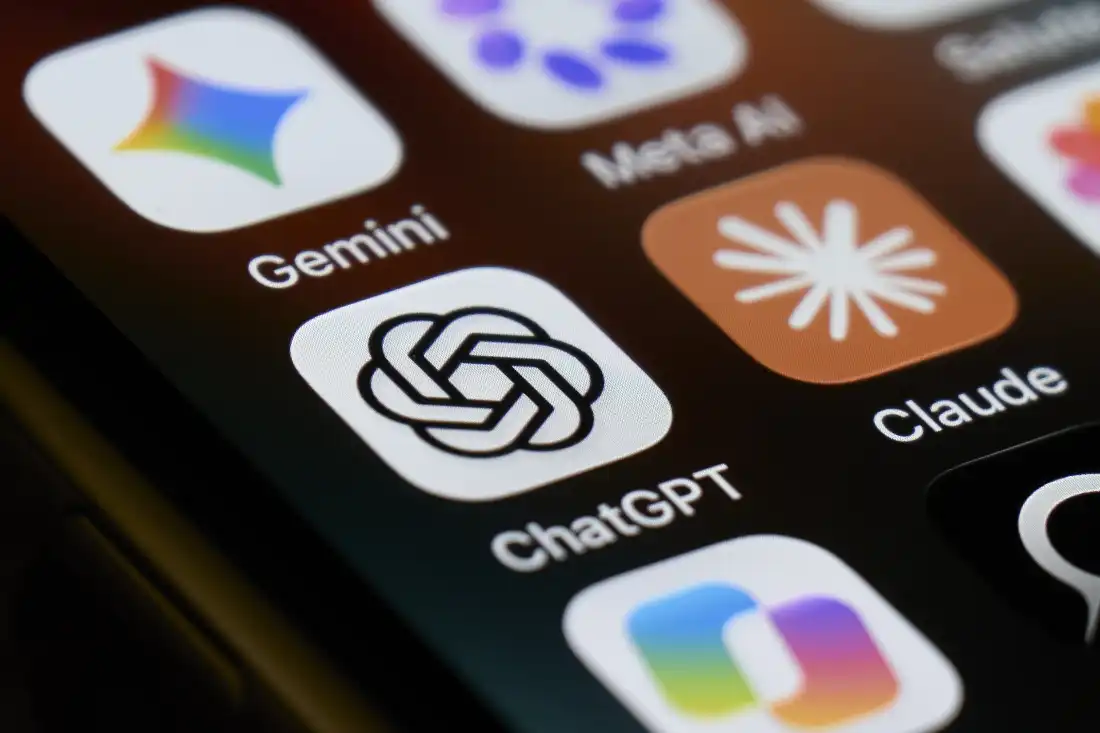
Artificial intelligence chatbots are becoming a significant part of American youth’s lives. Two recent surveys highlight that nearly two-thirds of tweens and teens use AI chatbots regularly. These surveys reveal that while many young individuals use this technology for academic assistance, companionship, and emotional support, certain applications are associated with negative mental health symptoms.
Early Adoption of AI Chatbots
Data from Common Sense Media shows that AI usage starts well before children reach the age of 13, the minimum required age across most chatbots. Nearly half of children aged 9 to 12 have interacted with an AI chatbot or companion. By 13, nearly three-quarters have used such technology. A survey by JED Foundation revealed that 90% of 5,500 students aged 9 to 17 nationwide have engaged with AI chatbots. Roughly two-thirds use them for school tasks and emotional support, particularly when feeling stressed, lonely, anxious, or overwhelmed.
Changing Patterns in AI Use
Developmental psychologist Anne Maheux from the University of North Carolina, Chapel Hill, notes the significant shift in AI technology usage among children and teens. Not long ago, AI usage was sparse among youngsters, but now, an equal number of them use it for homework and emotional support or coping.
An example is Arjun Sharda, a 15-year-old from Round Rock, Texas. He uses AI to practice test questions and comprehend classroom concepts better. He prefers Google’s Gemini over OpenAI’s ChatGPT lately. On the other hand, McKenzie Craig, 17, from Raynham, Mass., has used AI chatbots since eighth grade. She relies on them to manage overwhelming tasks and improve her school assignments. ChatGPT and Grammarly give her valuable feedback for revising essays.
AI and Emotional Well-being
Students like Sharda also turn to chatbots during periods of stress and anxiety, for instance when facing challenging tests.
Concerns Over Mental Health
Research by the JED Foundation explored how young individuals use AI and its correlation with mental health indicators. Psychologist Kayla Anderson mentions that students experiencing emotional distress who use AI are likely to report poor well-being and have a history of suicidal thoughts and attempts.
However, Anderson warns against concluding definite causation based on current data. It’s unclear whether AI usage contributes to poor mental health or if distressed students are predisposed to using AI technology.
Other studies suggest the relationship might be bidirectional; young people with mental health issues seek AI assistance, but AI usage might exacerbate their problems. UNC’s research found that middle school students using chatbots for companionship became lonelier over time. Similar results emerged in studies involving young adults.
AI’s Immediate Relief Vs. Long-term Development
Maheux proposes that AI technology might offer immediate relief from emotional distress, but relying on it might hinder young individuals from developing essential skills to handle everyday challenges, leading to negative mental health outcomes over time.