
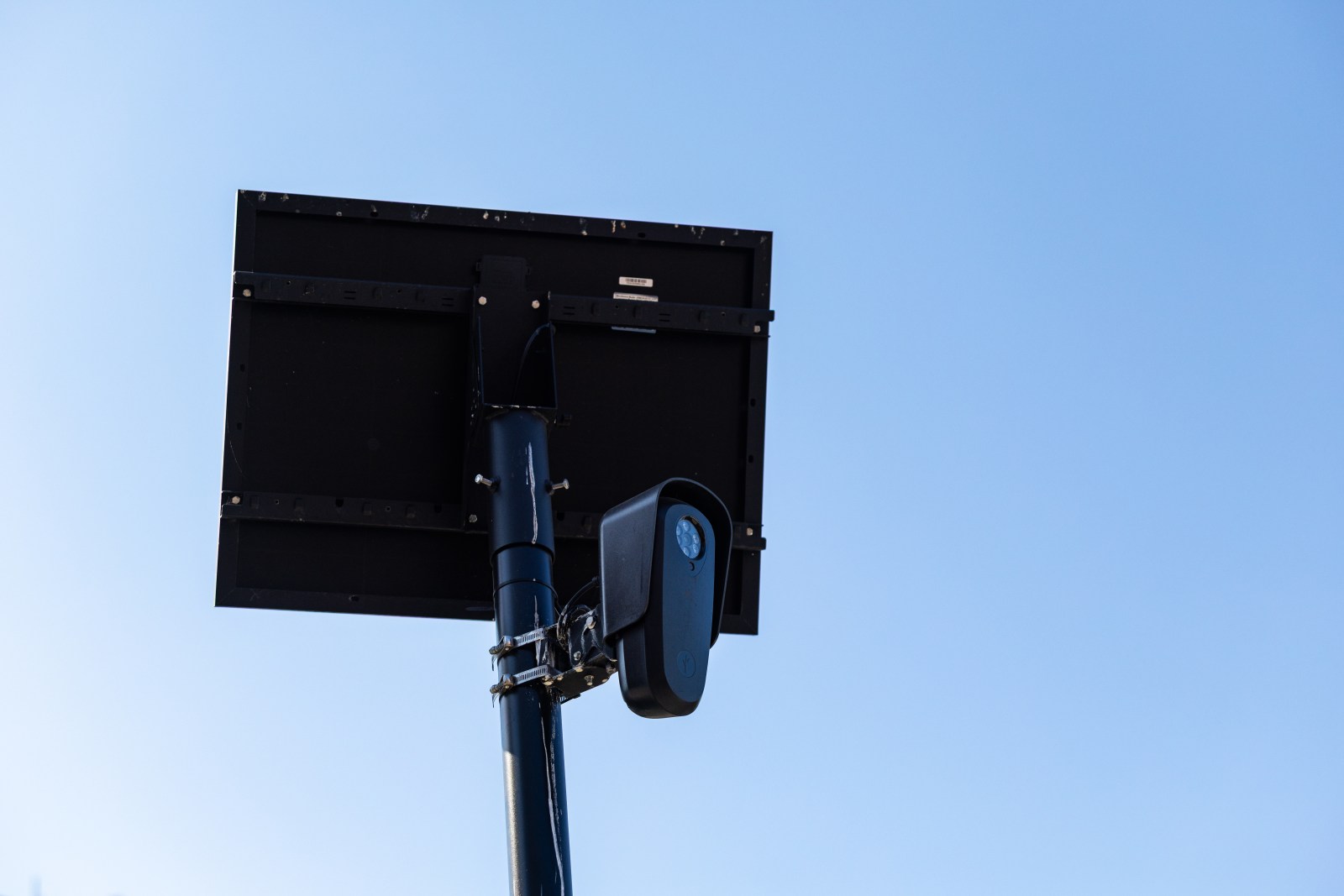
Across the United States, cities are approaching Flock Safety’s automated license plate-reading cameras with caution. While some local governments choose to eliminate the technology, others retain it, with new restrictions on data usage. This creates a complex landscape as various communities assess the benefits and drawbacks.
Cities Maintaining Cameras With Restrictions
Several cities opting to keep the cameras are implementing significant restrictions. For instance, San Francisco’s new policy requires police officers to get department approval and prove a connection to an ongoing investigation before accessing data. Data must be removed from Flock’s platform after 30 days, while police may hold it for up to a year.
Costa Mesa, California, has decided to continue its agreement with Flock following a council vote. While facing opposition, the council aims to renegotiate terms to better control data sharing. Measures include reducing data retention from 365 days to 45 and enhancing oversight.
In Oklahoma City, officials renewed their agreement, paying $270,000 for 90 cameras until 2027. The city set federal access restrictions and reduced data retention from 30 days to seven, but relevant images may be retained longer. The agreement is subject to annual review.
Retention Despite Opposition
Evansville, Indiana’s decision to fund cameras in its 2027 budget occurred despite privacy concerns. The police chief assured that federal agency collaboration excludes immigration enforcement. The debate echoes in College Station, Texas, where councilors renewed a one-year contract for 84 cameras amid public backlash. Calls for stronger safeguards were heard, including potential camera reductions and independent audits.
In Dunwoody, Georgia, officials defend camera usage, pointing to investigation benefits and safeguards. A Mayors Innovation Project report highlights differing community approaches.
Pending Decisions
Scottsdale, Arizona, has retained cameras while planning safeguards, independent audits, and data access reviews. Discussions will continue in December. The city is scrutinizing the program due to privacy concerns.
Cleveland, Ohio, extended its Flock system for six months, seeking proposals from other providers. The agreement includes penalties for unauthorized data access. Oversight commissions suggest a pause to review policies.
Concerns Over Privacy and Data Sharing
Newsweek reports a growing resistance to Flock Safety’s cameras, with numerous cities rejecting proposals or contracts over privacy and surveillance concerns. This opposition builds as Flock expands nationwide. DeFlock, an anti-surveillance group, claims over 122,000 cameras are mapped, and 95 cities have rejected ALPR systems.