
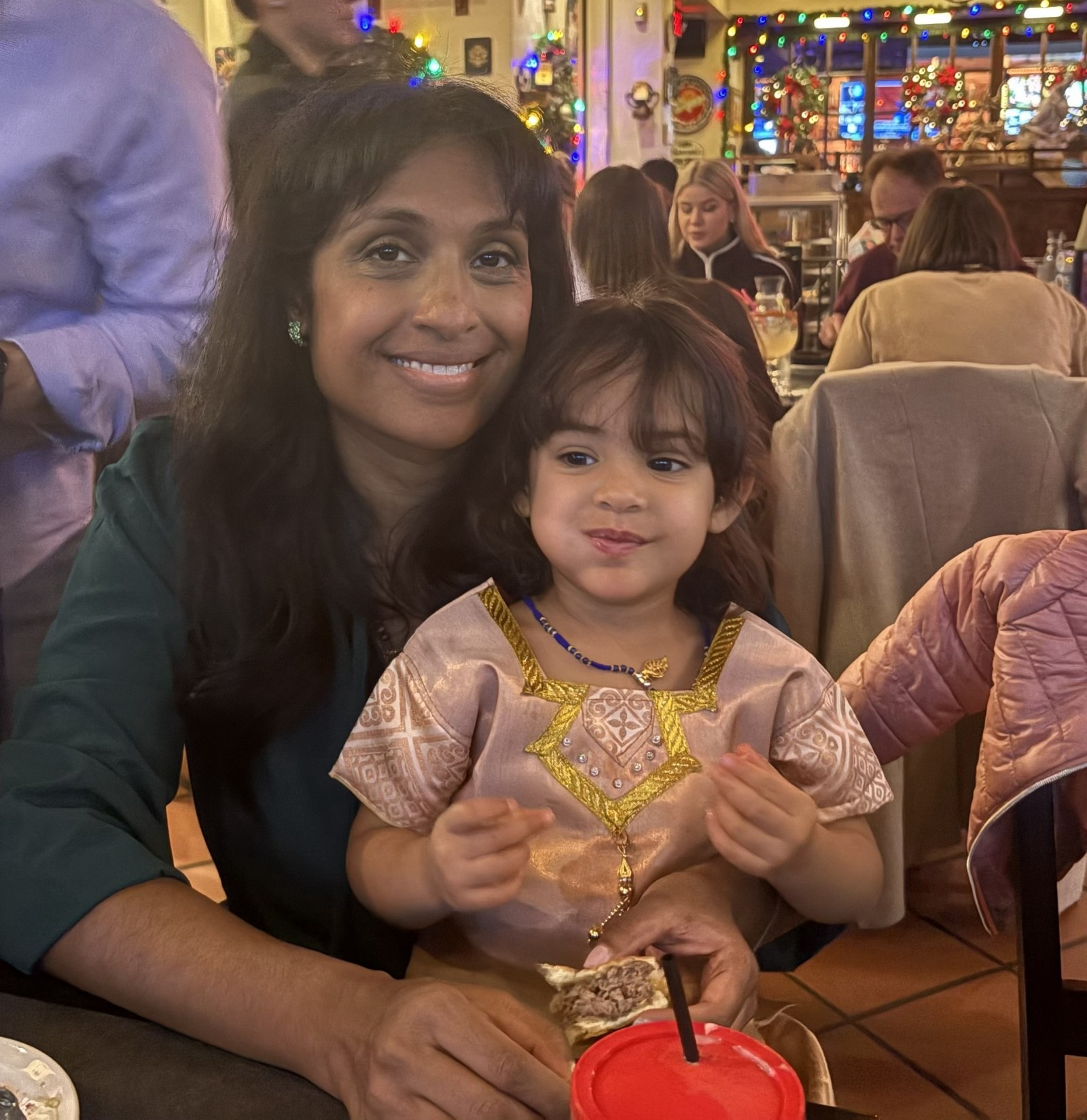
My three-year-old daughter recently started school. She’s small for her age and has a demeanor that makes adults think she’s easygoing. One day, she came home upset, saying people called her ‘so sad.’ I initially thought it was related to separation anxiety and her classmates were showing empathy. However, this continued every day, and it felt odd.
After some probing, I learned a boy in her class had started this. He wasn’t aggressive physically but led others in calling her ‘so sad.’ They repeated this like a chant, which impacted her emotionally. For four months, she returned home feeling discouraged and isolated. Conversations with the school and other parents didn’t help; they misunderstood it as a show of empathy from other kids.
I also spoke with the boy’s mother, who kindly promised to address it with the teacher. Yet nothing changed. This situation wasn’t the usual type of bullying. It lacked physical aggression but still constituted psychological distress. The response from teachers suggested my daughter should ‘rise above’ and play nice, an expectation that bothered me.
This reflects a larger issue; children often receive mixed messages about standing up to bullies. Systems that should protect them, like schools, sometimes fail. I taught my daughter a controversial lesson: if nothing else works, a bold response might be necessary.
While I never encouraged violent or inappropriate responses, we practiced comebacks like ‘Eat a brick’ or ‘Go kiss a giraffe.’ Despite this, the bullying persisted. Desperate, I told her to say, ‘You’re a bully, and the police are going to get you.’ This wasn’t aligned with my values, yet I felt compelled to act for her safety.
When she finally used this line, the dynamics shifted. Her classmates echoed her words, and this gained the school’s attention. There were discussions about ‘nice language,’ and they banned the insult ‘You’re so sad.’ It was a relief to see a change, though poignant that it took such measures.
I explained to my daughter the importance of standing up for oneself. Girls often learn to prioritize politeness over safety. I wish for her to be respectful yet assertive against undue treatment.
Raising her in a society expecting her to endure gracefully is challenging. There will be times when niceness won’t suffice. She may face harassment, sexism, or toxic situations in the future. It’s vital she knows her worth and stands firm, even if it disrupts circumstances temporarily.
Inimai Chettiar, president of A Better Balance, advocates for women and caregivers. She’s also a mother striving to instill confidence and courage in her daughters.
The views shared in this essay belong solely to the author.