
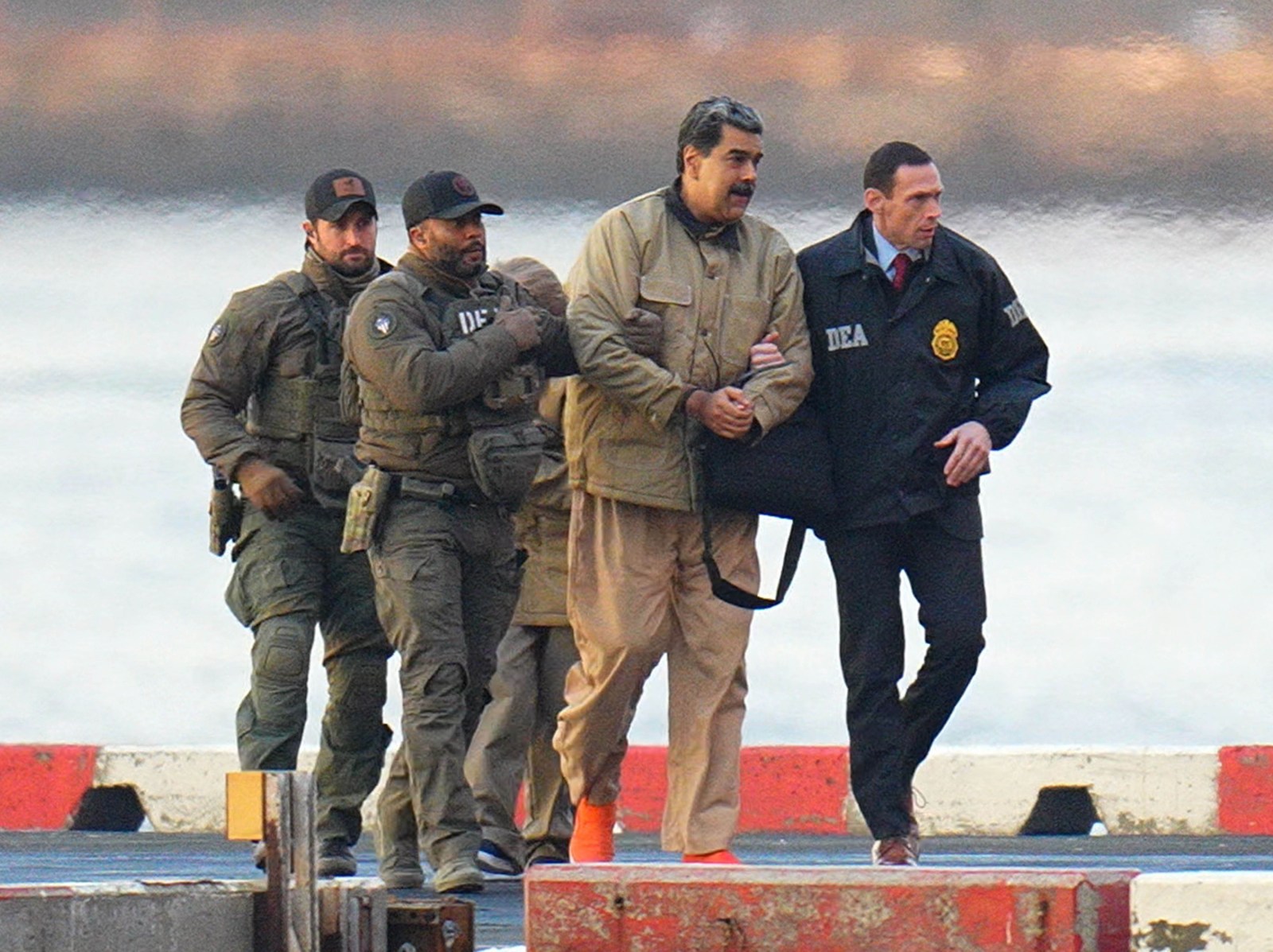
The criminal case against former Venezuelan President Nicolás Maduro and former First Lady Cilia Flores has significantly expanded. U.S. prosecutors have introduced new charges related to torture, linking them to a long-standing effort to retain power through violence, intimidation, and repression.
Additional Charges Filed
The new indictment adds a conspiracy-to-commit-torture charge to the existing case, which already included accusations of narcoterrorism, cocaine trafficking, and weapons violations. Prosecutors argue that the couple leveraged state institutions, security forces, and allied groups against political opponents and detainees. The Justice Department indicates that some victims were U.S. citizens.
Impact on the Government’s Case
The introduction of torture charges raises questions about their effect on the prosecution’s case. The case has already been characterized as one of the most significant international criminal trials in recent U.S. history. Maduro and Flores were captured by U.S. forces in their Caracas home on January 3 and brought to New York to face federal charges. They both plead not guilty and await trial scheduled for June 2027.
Maduro’s attorney, Barry Pollack, voiced that Maduro denies the new charges and looks forward to contesting them in court.
Statements from the Justice Department
Attorney General Todd Blanche has indicated that the investigation continued after the couple’s arrest, discovering further alleged crimes against both Venezuelans and U.S. citizens. The charges are meant to ensure justice for those who suffered torture, narcoterrorism, and organized crime. For more than two decades, Maduro, Flores, and their circle are alleged to have enriched themselves through corrupt practices, using violence and threats to stifle dissent. Alleged methods include electric shocks, asphyxiation, rape, starvation, isolation, and psychological torture.
In a related statement, Jamie McDonald, U.S. Attorney for the Southern District of New York, explained that the indictment outlines a conspiracy by the couple to suppress dissent via serious human rights abuses.
Legal Perspectives on the New Charges
According to David Weinstein, a former federal prosecutor, these additional allegations provide a stronger case for the prosecution by expanding the context jurors will weigh during trial.
The new charges might also cause delays in reaching trial, giving defense attorneys time to argue for separating the torture allegations from the existing narcotics case.
International Law Considerations
The latest charges bring forth important questions concerning international law. John Cerone, an expert in this field, notes that both the United States and Venezuela are parties to the Convention Against Torture. This convention tasks countries with prosecuting alleged torturers or extraditing them for trial elsewhere.
This case could test the boundaries of head-of-state immunity. Cerone points to the precedent set by former Chilean dictator Augusto Pinochet’s case in the UK, suggesting that even past heads of state could face charges abroad.
The evidence gathered by U.S. investigators might benefit future accountability efforts globally.
Next Steps
Key imminent questions include whether the new charge will alter the trial timeline. Defense attorneys might seek more time or move to separate the new allegations from the narcotics charges. Meanwhile, observers might assess how foreign governments and international legal bodies respond, considering international anti-torture obligations versus political motivations.
The ongoing case now tackles more than just narcotics charges. It’s a broader effort to hold a former head of state accountable for alleged human rights abuses, potentially setting a precedent in international law.