
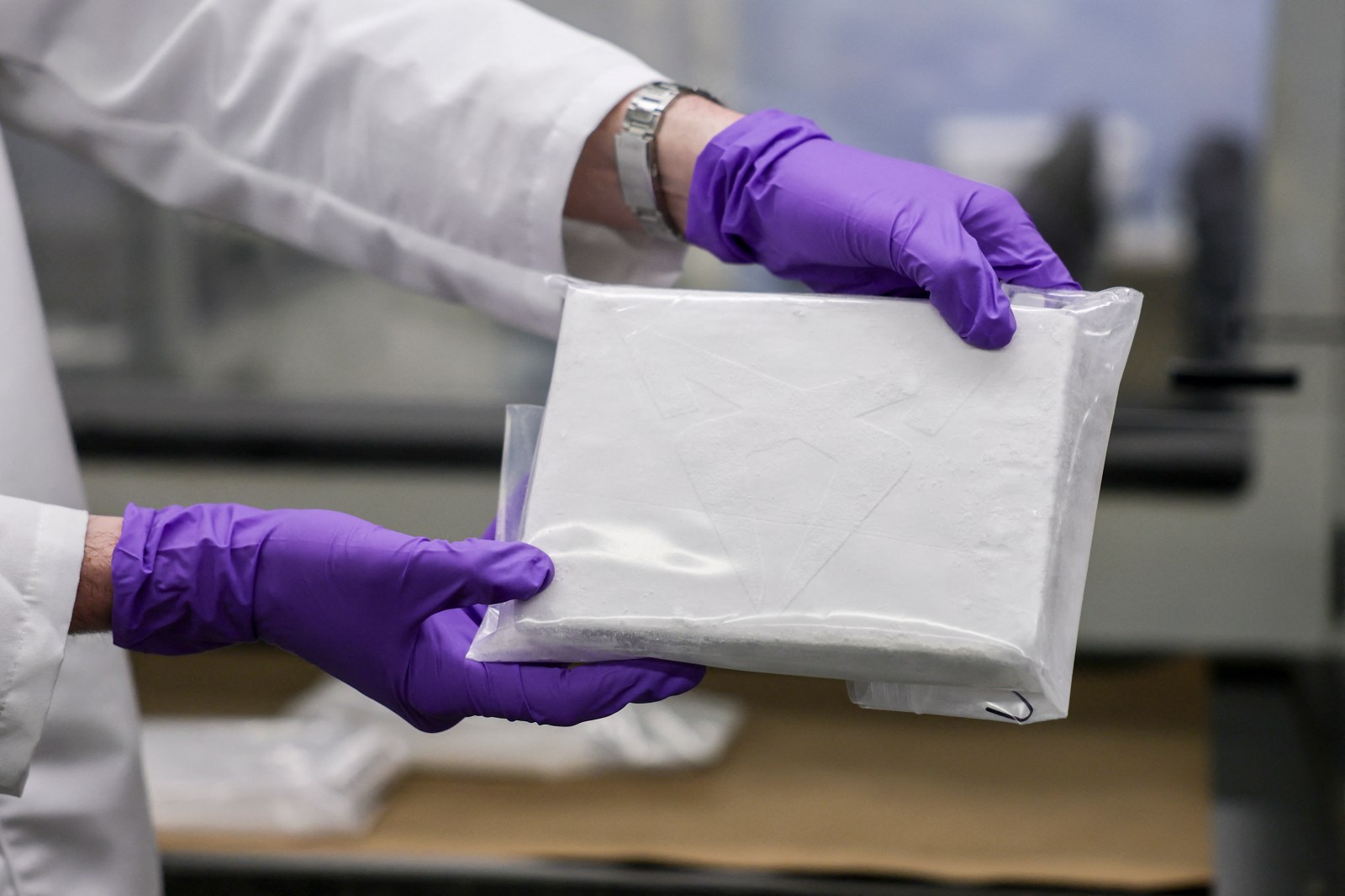
Emergency calls related to opioid overdoses are increasing in Austin, Texas, driven by the spread of cychlorphine—a synthetic drug reported to be ten times stronger than fentanyl—across the United States. Austin’s emergency medical services (EMS) recently reported a notable rise in overdose calls: 98 in late September compared to 73 the previous year, according to local station KXAN-TV.
Opioid Overdose Trends
Captain Christa Stedman from Austin-Travis County EMS (ATCEMS) highlighted a concerning trend where nine patients needed more than two doses of Narcan for overdose reversal, contrasting with the common requirement of one to two doses. The comparison to last September shows fewer cases needing multiple doses, with just two incidents recorded.
Although ATCEMS does not test for specific opioids during emergencies, cychlorphine-related overdoses frequently need several Narcan doses. The issue is not isolated to Texas; cychlorphine-related deaths are escalating nationwide, notably in Tennessee, which reports the highest fatal overdose numbers linked to the drug.
Understanding Cychlorphine
Cychlorphine, formally known as N-propionitrile chlorphine, is a synthetic opioid connected to numerous U.S. deaths since last year. Initially synthesized in a Belgian lab during the 1960s, its formula has circulated in academic journals and is accessible online, escalating its presence in illicit drug trafficking recently.
Toxicology professor Keith Humphreys from Stanford, who advised on drug policy during the Obama administration, informed The New York Times about the drug’s increasing availability across Europe, Canada, and the U.S. in recent years.
Cychlorphine vs. Fentanyl
The Drug Enforcement Administration (DEA) flags the mixture of cychlorphine with fentanyl and counterfeit pills, complicating detection efforts as standard fentanyl test strips fall short in identifying this potent alternant. With its genus known as orphines, cychlorphine has potency levels estimated to be tenfold stronger than fentanyl.
Geographical Spread
The DEA noted cychlorphine’s first U.S. detection in Florida in April 2024. The drug’s spread from the East to West Coast has multiplied since, with an April 2025 report by the Office of National Drug Control Policy (ONDCP) showing 106 detections across ten states nationwide. Concentrations were noted mostly in the South, Midwest, and Northeast.
By early 2026, 55 deaths were linked to cychlorphine, according to ONDCP data, with more deaths cropping up in Tennessee—specifically Knox County—where 64 deaths were recorded between mid-2025 and September. Despite the numbers, Chris Thomas from Knox County RFC emphasizes their heightened surveillance approach.
Toxicologist Alex Krotulski from the Center for Forensic Science Research and Education (CFSRE) reported 140 cychlorphine-related deaths across nearly 20 U.S. states and Canada as of July. Discrepancies in reporting methods complicate compiling a national toll.
Kratom Concerns
Another substance drawing scrutiny is kratom, especially following the deaths of two University of Mississippi students found with the herbal supplement nearby. Investigations are ongoing, but caution is urged against using unprescribed substances or non-trusted sources.
Dr. Dan Edney, Mississippi’s state health officer, shared concerns about potential cychlorphine presence in the state, advocating for proactive surveillance and public alertness.
The Knox County RFC is actively releasing information nationally and internationally about cychlorphine’s risks. Partnering with substance abuse programs, they aim to highlight the dangers to those with substance abuse disorders.
The threat extends beyond U.S. borders; the United Nations Office on Drugs and Crime (UNODC) reported cychlorphine findings in 17 countries as of September 1, following initial reports in 2024. While the agency follows standard practices of not naming specific nations, the affected are in Europe and North America.
For assistance with substance abuse, contact the Substance Abuse and Mental Health Services Administration (SAMHSA) National Helpline at 1-800-662-HELP (4357).