
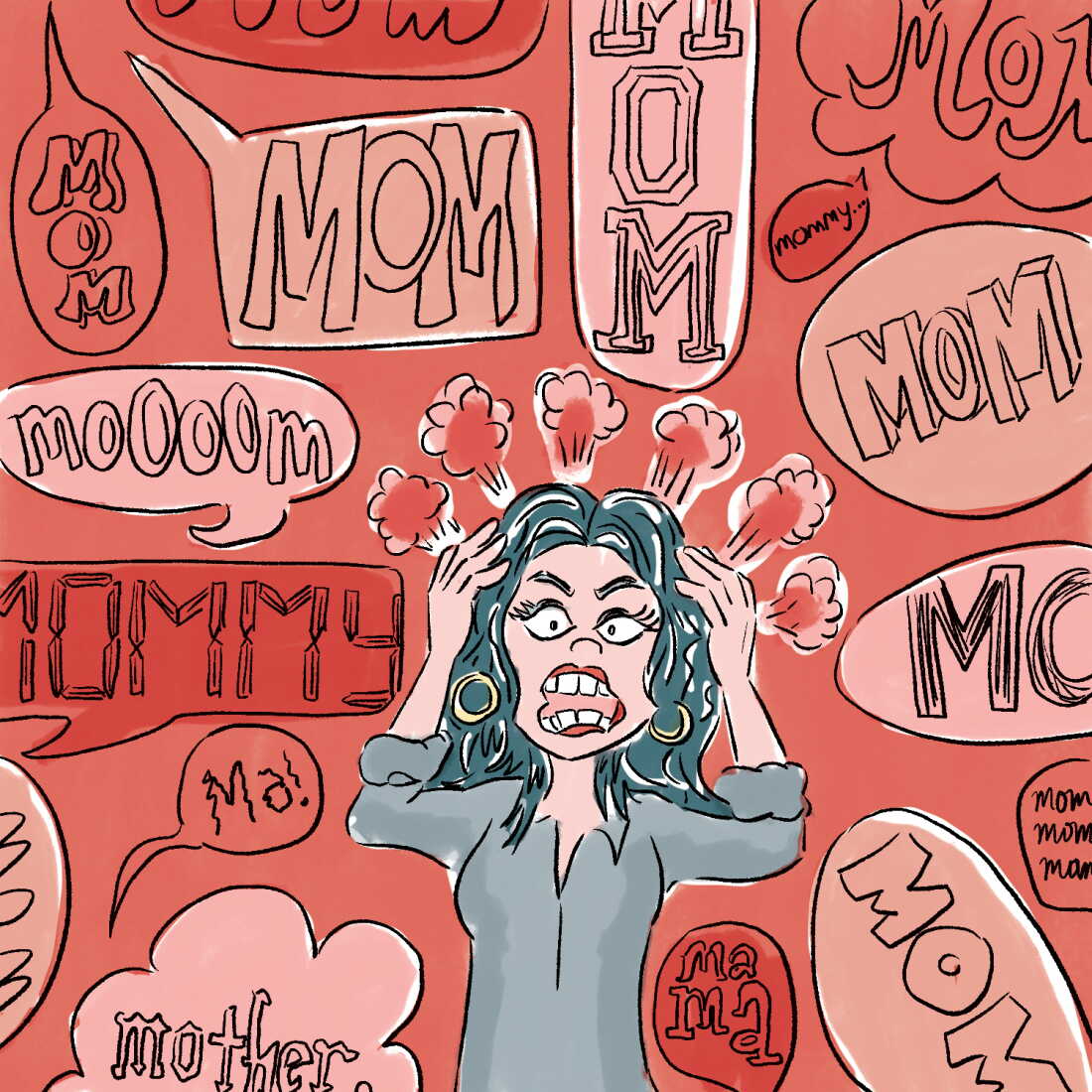
Your toddler requests apple juice, your older child wants more screen time, and your boss has a last-minute task for you. Your nervous system is overwhelmed, and you’re about to lose your temper. If you often find yourself getting angry with your family, there is a technique to slow down and reset. Licensed marriage and family therapist Cassidy Freitas, also a mother of three, discusses this in her book Mom Needs A Moment, published in June.
Freitas advises finding refuge in ‘the margins’ — those small moments throughout your day. As Freitas explains, many parents feel desperate for space when they are emotionally dysregulated. These moments are crucial as they allow parents to calibrate their emotions, ultimately helping them be better for themselves and their families.
Today’s parents face significant stress, investing more time in both childcare and work than two decades ago, as noted by the U.S. Surgeon General’s 2024 advisory. Freitas provides strategies for managing emotions in three common parenting scenarios.
The Stressed Morning
Imagine your morning: your older child is late for school, you need to change a diaper, and you can’t find the keys. To calm down, place a hand on your chest and take a deep breath. Freitas finds placing her hand on her chest serves as a cue to reset and breathe deeply, extending her exhales to calm her nervous system. Once calm, reflect on the sources of your anger, such as fears of judgment from others. Understanding the root can guide better choices in future situations.
The Conflict Between Personal Time and Parenting Duties
When facing a dilemma, such as missing out on a work happy hour for your child’s bedtime, consider the advice you’d give a friend. Freitas suggests asking yourself how you would counsel a friend in a similar situation. Many parents grapple with guilt over taking personal time, but understanding where these feelings originate is essential. Emotions provide data, and guilt might indicate a lack of alignment with your values. However, modeling friendships and personal time for your children could also positively influence them. Offer yourself the same grace you would offer a friend.
Handling Stress-Induced Outbursts
You’re finishing your to-do list, and your children’s interruptions make you lose your temper, leaving you feeling guilty. Freitas says that parents will inevitably lose their cool, and that’s okay. Children are also learning to manage their emotions and relationships. Demonstrating how parents repair such situations is vital. Explain to your child that your frustration was not entirely their fault. Acknowledging your mistakes can foster connection and compassion, teaching kids about human imperfection in real-time.
More Resources from Life Kit on Stress and Parenthood
Explore practical guides to divide household chores fairly, featuring experts Eve Rodsky and Jacqueline Misla, or learn about parental burnout symptoms and solutions. There’s also guidance on transitioning back to work after family leave. This digital text was edited by Malaka Gharib, with visuals by CJ Riculan. Connect with us via email at [email protected]. Listen to Life Kit on Apple Podcasts and Spotify, and subscribe to our newsletter.