
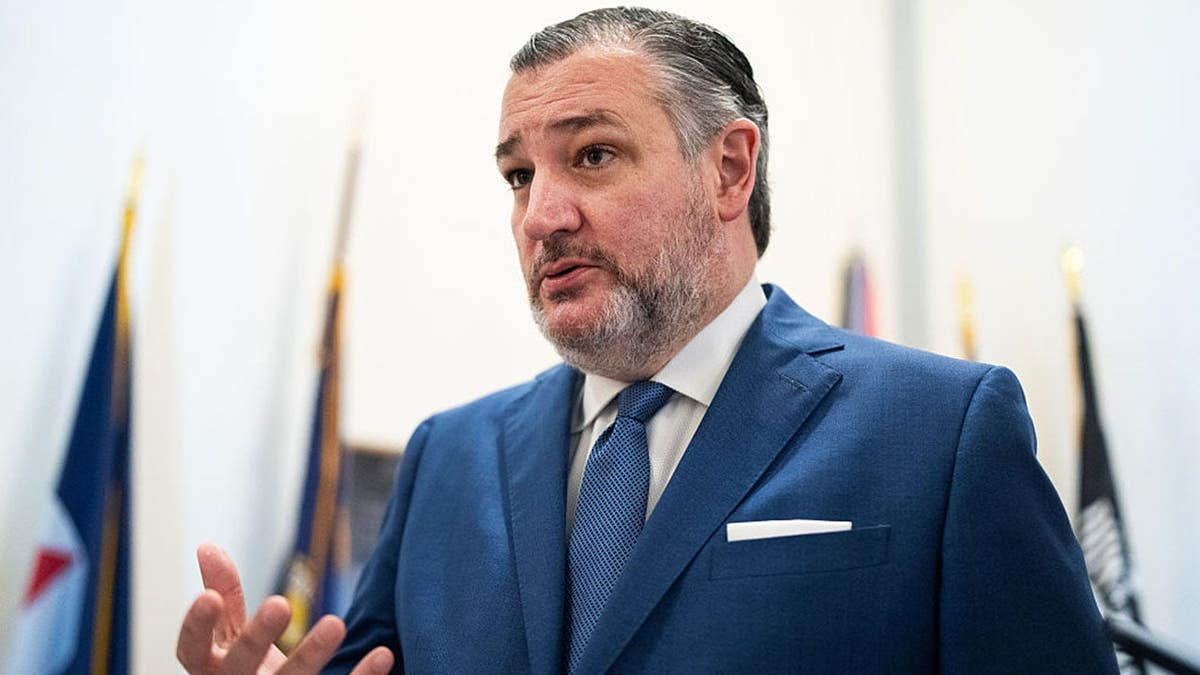
Fox News contributor Clay Travis argues that the current state of college sports is chaotic and broken, as discussed in his appearance on ‘The Will Cain Show’. The passage of the Protect College Sports Act highlights efforts to create a structured environment in college athletics. This bipartisan bill from Sen. Ted Cruz, R-Texas, and Sen. Maria Cantwell, D-Wash., passed the Senate with a 77-22 vote and addresses several key areas.
The act introduces national standards for Name, Image, and Likeness (NIL) deals, athlete compensation, eligibility, recruiting, and transferring. This move aims to stabilize the collegiate landscape, which many, including Senate Majority Leader John Thune, R-S.D., deem necessary.
‘It needs to be addressed,’ Thune remarked before the vote, reflecting on the current challenges faced by collegiate sports.
President Donald Trump voiced his support, urging Congress to pass the bill promptly, emphasizing its importance for the integrity of college sports.
The bill extends antitrust legal protections to collegiate bodies and implements a uniform framework for athlete compensation. It establishes restrictions on the transfer portal and outlines a five-year eligibility period for athletes. Additionally, recruiting and tampering practices are regulated, with strict guidelines on appropriate contact times.
Senator Chris Murphy, D-Conn., expressed concerns over the bill’s implications, arguing it might undermine athletes’ bargaining power while creating exemptions from antitrust law for colleges.
Senators Josh Hawley, R-Mo., Jim Banks, R-Ind., and Tommy Tuberville, R-Ala., also proposed amendments to prevent the bill from nullifying state laws that exclude biological men from women’s sports.
The Protect College Sports Act awaits further debate, with the House scheduled to resume after midterm elections. If successful, the legislation could significantly reshape college sports governance.