
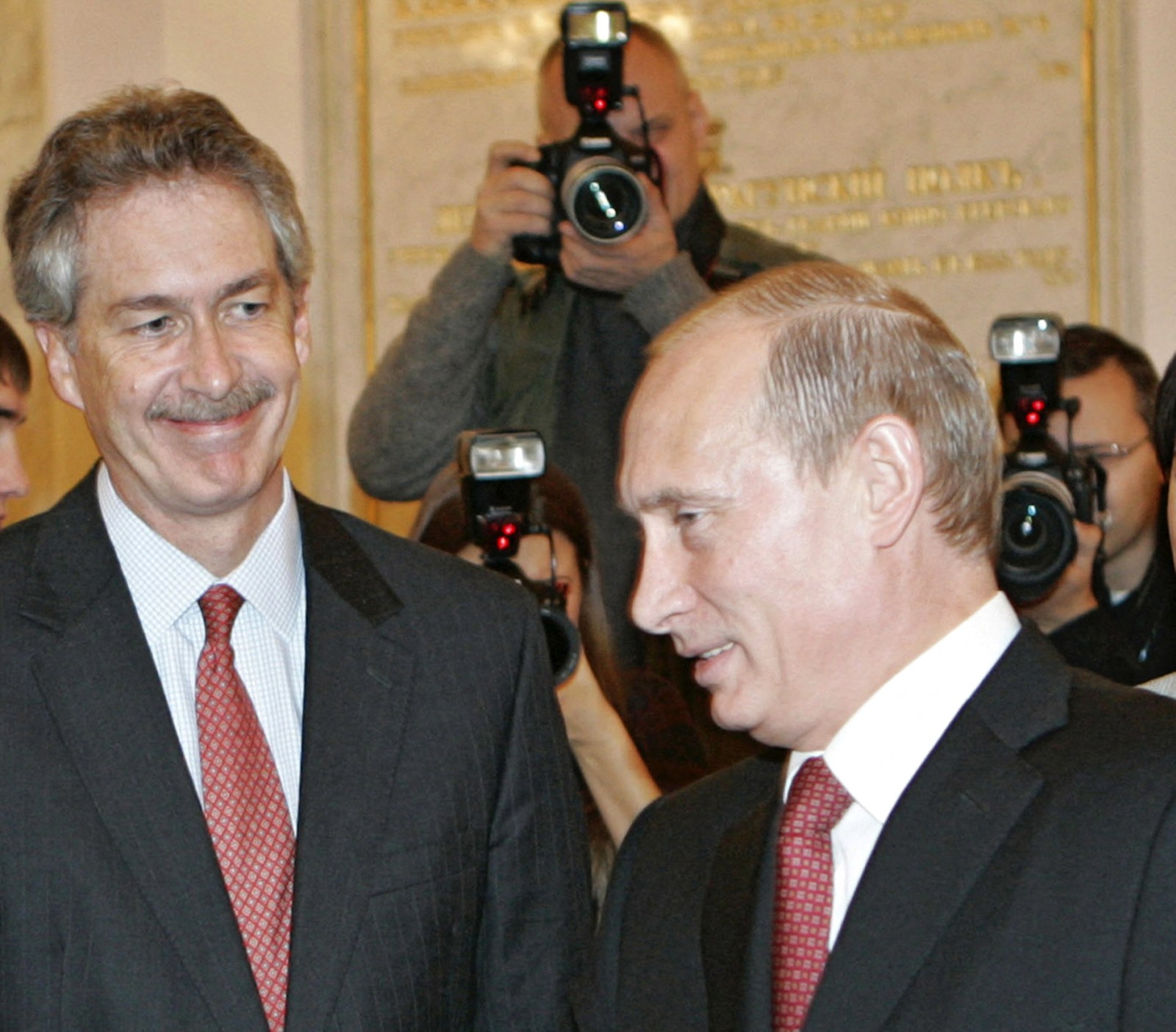
In autumn 2021, Russian military activity near Ukraine’s border raised alarm for U.S. President Joe Biden. Such movements suggested more than typical military exercises. He took action, sending then-CIA Director William Burns to Moscow with a clear message: the troop buildup was under scrutiny and should not escalate further.
Flash forward to now, CIA Director John Ratcliffe undertakes a similar trip. His visit aims to caution the Kremlin against intensifying the conflict within Ukraine and among NATO members. Though Ratcliffe didn’t meet President Vladimir Putin directly, Russian security officials reported his warning to the leader. Direct talks with Putin likely wouldn’t have changed much.
The unresolved conflict that led to the initial invasion remains: NATO regards Russia as an aggressor, allowing European countries to select their own security allegiances. Russia views this as NATO’s threatening expansion. Thus, another warning from a CIA director seems unlikely to resolve the issue.
The More Things Change, The More They Stay The Same
Prior to the invasion of Ukraine, then-NATO Secretary-General Jens Stoltenberg emphasized Ukraine’s sovereignty, affirming its right to determine its future and security partnerships. Russia had no veto power. Conversely, Russia proposed strict measures against NATO expansion, especially concerning Ukraine’s membership and military activity in Eastern Europe.
Recently, British Prime Minister Andy Burnham pledged to aid Ukraine with plans for the Storm Shadow missile, boosting its defense capabilities. The Coalition of the Willing, led by France and the UK, is preparing a peacekeeping force to intervene once a ceasefire is established. While these moves reinforce defense against Russian actions, for Moscow, it feels like NATO encroachment threatening Russia’s security.
Within Russia, high-ranking figures voice strong opposition. Kremlin spokesperson Dmitry Peskov sees NATO’s involvement as aggressive. Former Russian President Dmitri Medvedev calls NATO a hostile entity and potential enlargement a grave threat. Lt. Gen. Viktor Sobolev suggests Russia must win in Ukraine before NATO countries prepare for conflict.
Since the conflict began, Europe’s military doctrine and global alliances have shifted significantly. Nevertheless, the underlying dispute remains unchanged.
Bullish In The Baltic
Ratcliffe’s discussions with Russian officials involved warnings, particularly about Baltic states. Concerns include cyber threats, hybrid warfare, or potential military incursions. Estonia remains cautious but reassures confidence in NATO’s strength as a deterrent.
Estonia maintains robust defense with substantial GDP allocation. The government is building military infrastructure, hosting NATO forces ready for rapid response. Prime Minister Kristen Michal expressed that Russia sees NATO as strong enough, reducing the likelihood of direct attacks.
However, history warns against counting on shared assessments of military rationality. Misinformation and underestimation led to the invasion of Ukraine despite intelligence alerts. Though Estonia seems secure, Putin may seek to politically challenge NATO rather than launch an all-out military confrontation.
Experts like Ed Arnold suggest Russia might test NATO’s resolve through limited provocations, potentially exploiting treaty ambiguities. Such actions could undermine NATO’s unity and effectiveness over time. The pressing question for Western leaders is how to deter Putin from any attempts to destabilize NATO.