
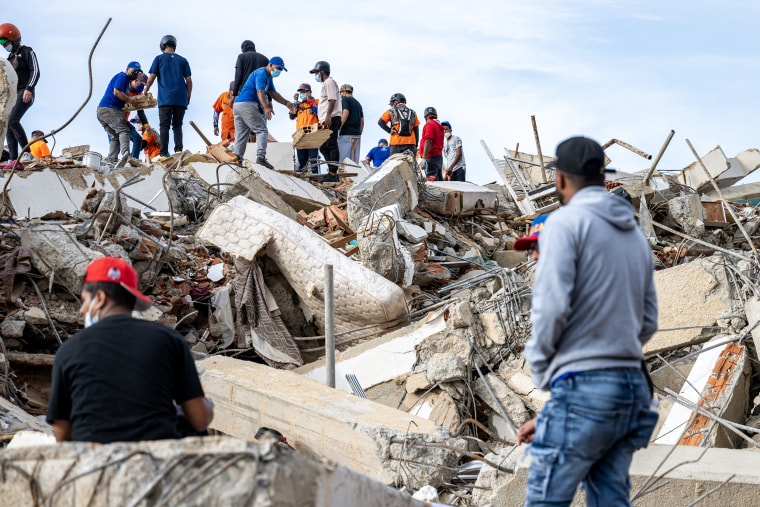
Recent earthquakes in South America have highlighted stark differences between Colombia and Venezuela’s emergency responses. In Colombia, a 7.4-magnitude quake hit on Monday. President Abelardo de la Espriella took charge quickly, setting up an emergency command post within an hour. Venezuela’s response to its June 24 earthquakes was slower. Acting President Delcy Rodríguez waited nearly four hours before addressing citizens.
In Colombia, rescue operations started swiftly with cranes and excavators. Venezuela relied heavily on foreign help and civilians. Rodríguez’s government struggled to project authority. Its delayed and incomplete casualty reports fueled distrust among citizens. Venezuela reported 6,301 deaths, with over 29,000 missing, but figures remain uncertain.
Colombian institutions showed resilience, handling the earthquake response efficiently despite political tensions. De la Espriella overcame challenges from a fraught transition. His leadership was evident as he coordinated disaster relief efforts.
International aid acceptance differed between the two countries. Colombia limited foreign rescue crews, opting for humanitarian supplies. Rodríguez welcomed international rescuers to Venezuela. This reliance on external help showcased the Venezuelan government’s inadequacies.
Political differences influence disaster management. Colombia’s democratic institutions enabled a coordinated response. Venezuela’s authoritarian regime faced challenges, impacting its capacity to act effectively in emergencies.
Many Venezuelans have noticed Colombia’s resource efficiency compared to their own crisis-stricken nation. Colombian media provided ample information during the disaster, while Venezuelan citizens struggled to find crucial emergency details.
In summary, the earthquakes underscored the contrast in emergency management between Colombia and Venezuela. These differences are shaped by political structures, resource availability, and institutional strength.