
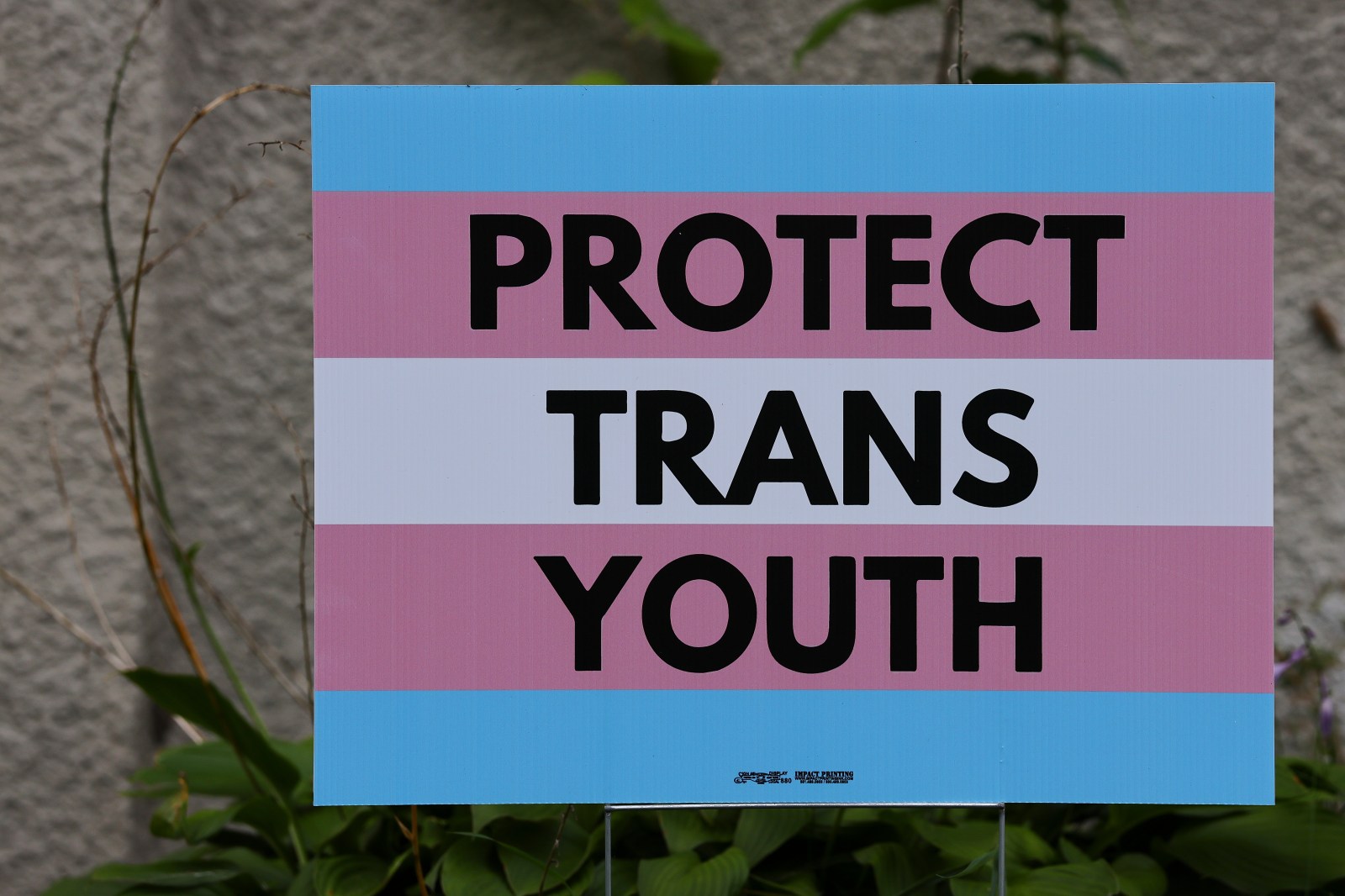
President Donald Trump announced a significant policy change on Tuesday, stating that federal Medicaid funds will no longer be used to cover gender-affirming surgeries and hormone treatments for transgender minors. This decision raises questions about the continued availability of such care in states with protections for transgender youth.
This move forms part of Trump’s broader agenda to restrict protections and services for transgender youth. The administration has supported policies that limit participation of transgender students in school sports. Meanwhile, many Republican-led states have banned transgender athletes from competing on teams aligning with their gender identity.
States with protections for gender-affirming care can still allow treatment providers to offer services and may use state funding to assist with covering these costs. Trump detailed the decision in a Truth Social post, highlighting that federal Medicaid will not finance what he described as ‘barbaric surgeries and practices,’ arguing the policy is for child protection.
The Centers for Medicare & Medicaid Services (CMS) confirmed that the new rule will terminate federal Medicaid funding for surgeries and hormone therapies for minors and restrict the Children’s Health Insurance Program (CHIP) from providing such treatments to those under 19 years. This policy takes effect in October.
State Protections and Division
A review by the Kaiser Family Foundation (KFF) reveals a deeply divided national landscape. As of May, 27 states have enacted laws limiting youth access to gender-affirming care, leaving the remainder without such restrictions. Approximately half of transgender youth aged 13 to 17 reside in states with care restrictions.
States such as California, Oregon, Washington, Colorado, Minnesota, Illinois, New York, and Massachusetts have made moves to protect access, some adopting ‘shield’ laws to protect providers and patients pursuing legal care under state law. However, the loss of federal reimbursement threatens to introduce coverage barriers for low-income families, even in these states where care remains legal.
Continuing Care Amid New Federal Rules
KFF’s tracker indicates that state-level governance remains key to restrictions on gender-affirming care. Some states prohibit treatments like puberty blockers or hormone therapy, while others protect access. Legal battles persist nationwide, with 18 states currently facing challenges to youth care restrictions.
The Supreme Court’s decision in United States v. Skrmetti supports Tennessee’s ban on care for minors, granting states more authority over restrictions, yet not mandating a ban, resulting in diverse policies across the nation.
Perspectives from Advocates and Opponents
The Trump administration claims the policy protects children from treatments causing irreversible harm. Health and Human Services Secretary Robert F. Kennedy Jr. stated that Medicaid and CHIP will not fund procedures that do not meet the necessary evidentiary standard for children. CMS administrator Dr. Mehmet Oz emphasized the focus on ‘following the science’ to safeguard children.
LGBTQ+ advocates oppose the rule, arguing it interferes with medical decisions by families and doctors. Major medical organizations like the American Medical Association and American Academy of Pediatrics uphold access to gender-affirming care within established clinical guidelines.
The administration’s decision aligns with its newly announced policy to stop Medicaid funding for surgeries and hormone treatments for minors. Still, access to gender-affirming care will largely depend on state laws, with many states maintaining protective policies for transgender youth and their healthcare providers.