
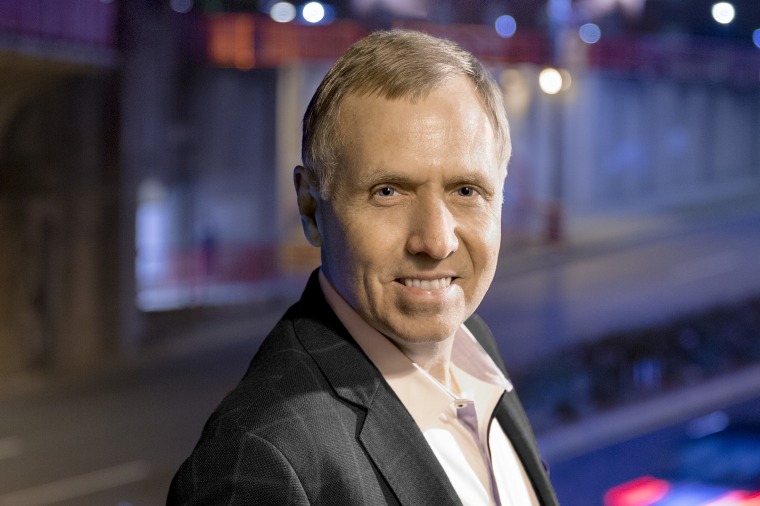
Federal Ruling on Kennedy Center and Chuck Redd Case
A federal judge in Washington, D.C., ruled that the Kennedy Center must pay $250,000 in legal fees to musician Chuck Redd. This decision came after the arts center sued Redd for canceling a Christmas Eve concert, following the addition of President Donald Trump’s name to the building’s facade.
Judge’s Decision
Judge Tanya Jones Bosier dismissed the Kennedy Center’s lawsuit in June, citing unlawful retaliation against Redd. In her order, she undertook a detailed review of the records to eliminate any duplicative or unnecessary fees and determined the Kennedy Center owes Redd $252,479.70. This amount must be paid within 45 days.
The judge found no valid reasons for Redd’s lawsuit and highlighted the inappropriate retaliation following his public statement against the name change.
Legal Perspectives
A Kennedy Center spokesperson stated that the organization intends to appeal the ruling. Redd’s attorney, Lisa J. Banks, remarked that the lawsuit aimed to suppress opposition to an illegal change, calling the court’s financial penalty appropriate to deter baseless, politically driven lawsuits.
Background of the Lawsuit
Chuck Redd was initially set to host the Kennedy Center’s annual Christmas Eve Jazz Jam on December 24, 2025. However, he withdrew from the free concert on December 19, after the addition of Trump’s name to the facade. This change was later deemed illegal and removed by a board member in June.
Claims Against Chuck Redd
The Kennedy Center accused Redd of breaching a “morals clause” for publicizing his withdrawal. They claimed his actions were intended to make a political statement, and led to financial losses including wasted marketing efforts and lost goodwill.
The former president of the Center, Richard Grenell, had initially suggested suing Redd for $1 million. However, the lawsuit was later settled by the center offering $7,500.
Arguments in Redd’s Favor
Redd defended his decision by pointing out that he had not signed a performance contract and had withdrawn in time for a replacement to be arranged. He argued the lawsuit targeted him due to his public comments on the matter.
The judge noted no financial losses occurred as no tickets were sold for the free concert, which was eventually canceled due to multiple artist withdrawals. Redd was the only artist openly critical of the name change and the only one sued.