
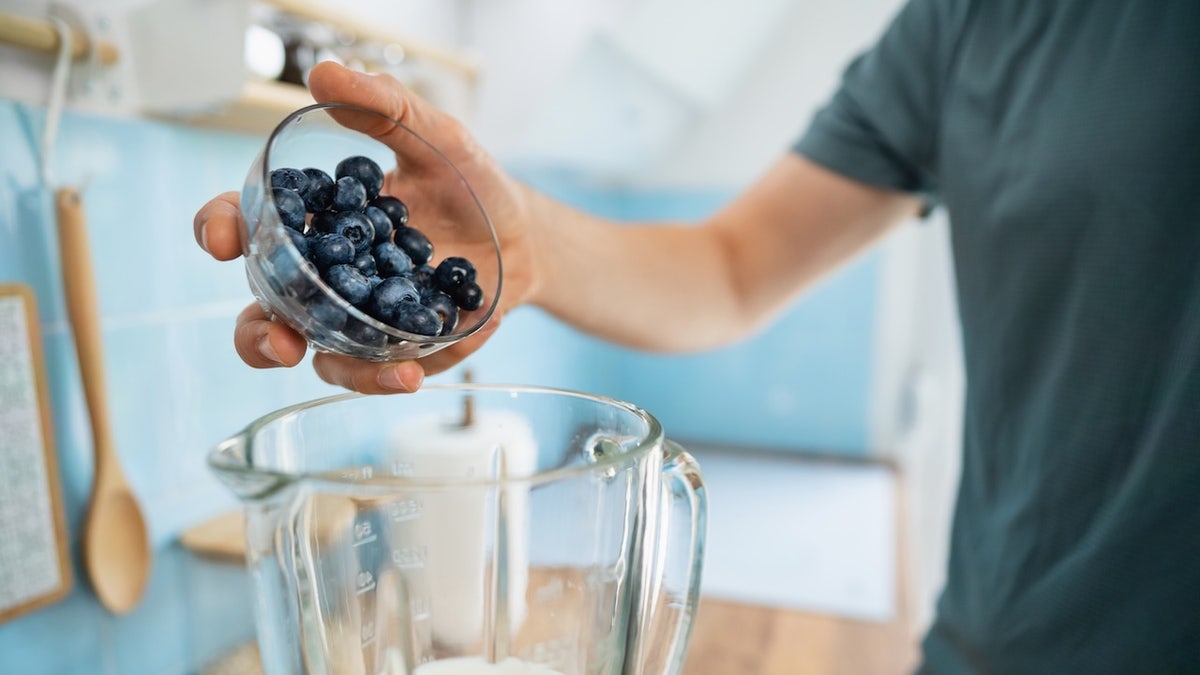
Bananas are a popular choice for smoothies, but a recent social media video has sparked a discussion about their potential to reduce the nutritional benefits of other ingredients, such as blueberries. This conversation stems from Dr. Rhonda Patrick’s guest appearance on the “Mel Robbins Podcast.” Patrick, a biomedical scientist and founder of FoundMyFitness, showcased her smoothie-making approach, which notably excludes bananas.
The Role of Polyphenol Oxidase in Bananas
According to Patrick, bananas contain polyphenol oxidase (PPO), an enzyme known for breaking down polyphenols, which are beneficial for gut, heart, and brain health. PPO is also what causes fruit to brown once cut. Recent studies indicate that when bananas are combined with blueberries in a smoothie, the absorption of beneficial polyphenols from the berries decreases significantly. Bananas, with their PPO content, may break down these valuable polyphenols.
Alternative Ingredients for a Smoothie
In place of bananas, Patrick recommends using avocado for a creamy texture. Avocado contains less sugar, more vitamins, and healthy fats, aiding in the absorption of nutrients like carotenoids (e.g., lutein and zeaxanthin) from other smoothie ingredients such as kale.
Debate in the Nutrition Community
This viewpoint has created a buzz among dietitians and nutritionists. Some argue against demonizing bananas due to a limited body of research. The study Patrick referenced, published in Food & Function in 2023, involved just eight healthy male participants. Results showed that a banana smoothie led to an 84% reduction in absorbed polyphenols compared to flavan-3-ol capsules. However, this study did not specifically involve a banana-blueberry smoothie.
Contextualizing the Study Findings
Registered dietitian nutritionist Ilana Muhlstein highlighted that the study’s results are suggestive rather than definitive. Bananas still offer fiber and other nutrients. Yet, the study points to bananas possibly reducing the benefits of foods rich in flavan-3-ols. Muhlstein also emphasized that the body might absorb these compounds differently when derived from whole fruits rather than supplements.
Responses and Recommendations
Addressing online reactions, Patrick noted that while bananas are healthy, they might reduce some blueberry polyphenols. For those aiming to preserve these benefits, understanding the chemistry is crucial. Despite the study’s small scale, the significant reduction observed justified considering banana alternatives when optimizing smoothies.
Personalized Nutrition Advice
Nutritionist Robin DeCicco advises that each person’s dietary needs vary. She stresses the importance of consulting healthcare professionals rather than relying solely on social media for nutritional guidance. DeCicco pointed out that replacing processed foods with nutrient-dense options, like fruits and vegetables, is essential for better health, regardless of individual nuances concerning specific fruits.
Moreover, DeCicco emphasized not overcomplicating nutrition choices. For example, choosing a banana over processed snacks is beneficial. For those emphasizing polyphenol intake, substitutes like frozen zucchini or Greek yogurt can replace bananas in smoothies while maintaining a creamy texture.
Nutritious Smoothie Recipes
For a low-sugar, high-protein smoothie without banana, DeCicco suggests combining unsweetened organic almond or soy milk with frozen berries, plant protein powder, and other nutritious ingredients. A similar alternative includes banana and Greek yogurt for those desiring banana’s nutritional profile.