
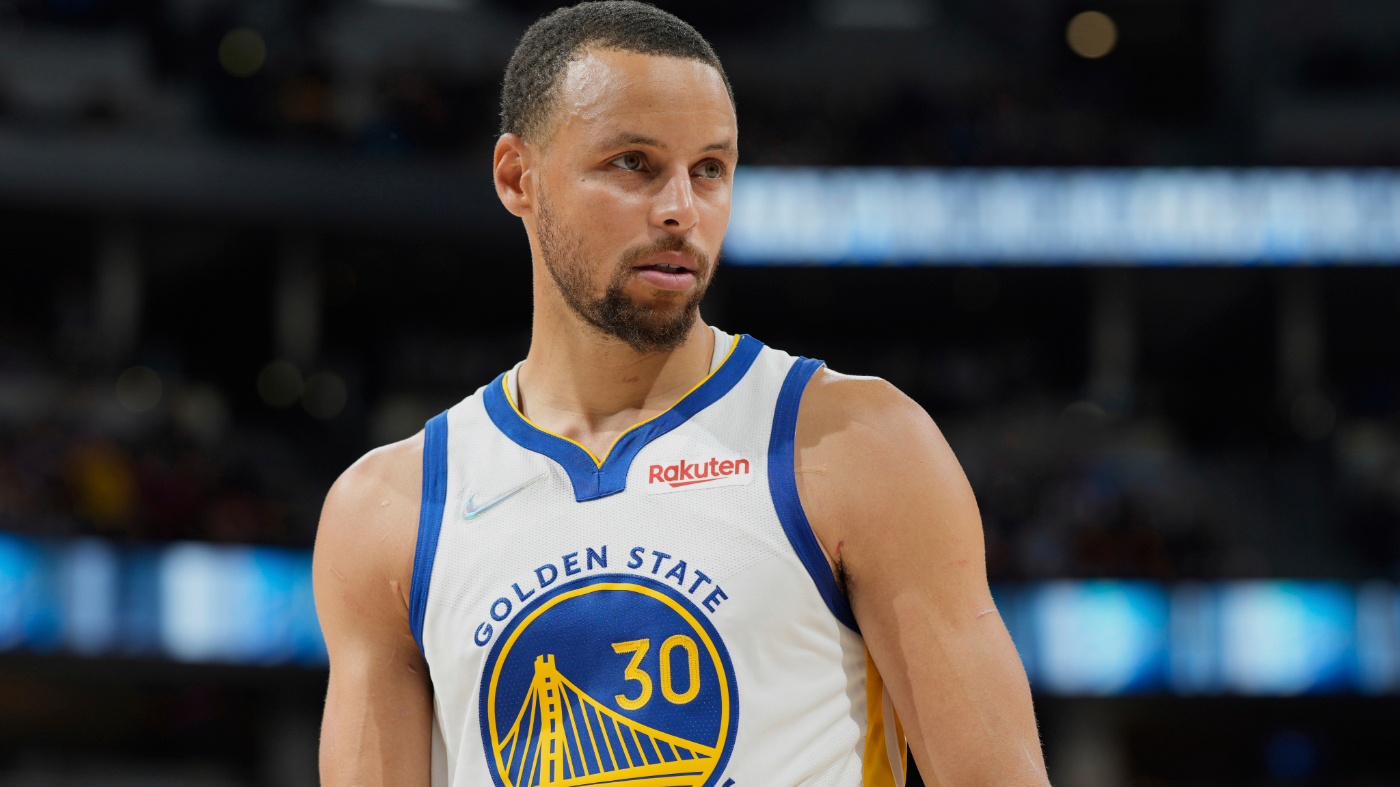
Stephen Curry, a widely respected figure in basketball, signed a 10-year, $400 million agreement with Li-Ning. This partnership has drawn attention due to ethical concerns regarding the Chinese company’s alleged use of forced labor.
The criticism arises from Li-Ning’s connections to forced labor in Xinjiang, China. American authorities, including the U.S. Department of Labor, have accused the Chinese government of using Uyghur Muslims in forced labor operations. The Uyghur Forced Labor Prevention Act aims to block products from Xinjiang on these grounds.
This decision reflects on Curry’s character. His global influence isn’t just from his athletic prowess but his moral standing. Aligning with a company under such scrutiny raises questions about his values.
Those in sports and related fields, like athletes and leagues, often speak about justice. They must apply these values even when faced with challenges, such as those from China.
The Women’s Tennis Association showed a clear stance by withdrawing from China over similar issues. As fans and stakeholders expect integrity, this situation tests whether sports can maintain such standards.
Commerce in sports heavily relies on trust. Engaging with entities tied to questionable practices undermines this trust. Endorsements reflect an athlete’s values. When associated with forced labor, the message it sends questions their willingness to stand against such violations.
Curry’s choice not only impacts his reputation but sheds light on the broader responsibilities of influential figures in sports. Ethical considerations must guide business choices if sports leagues wish to maintain their integrity and trust.