
July 24, 2026
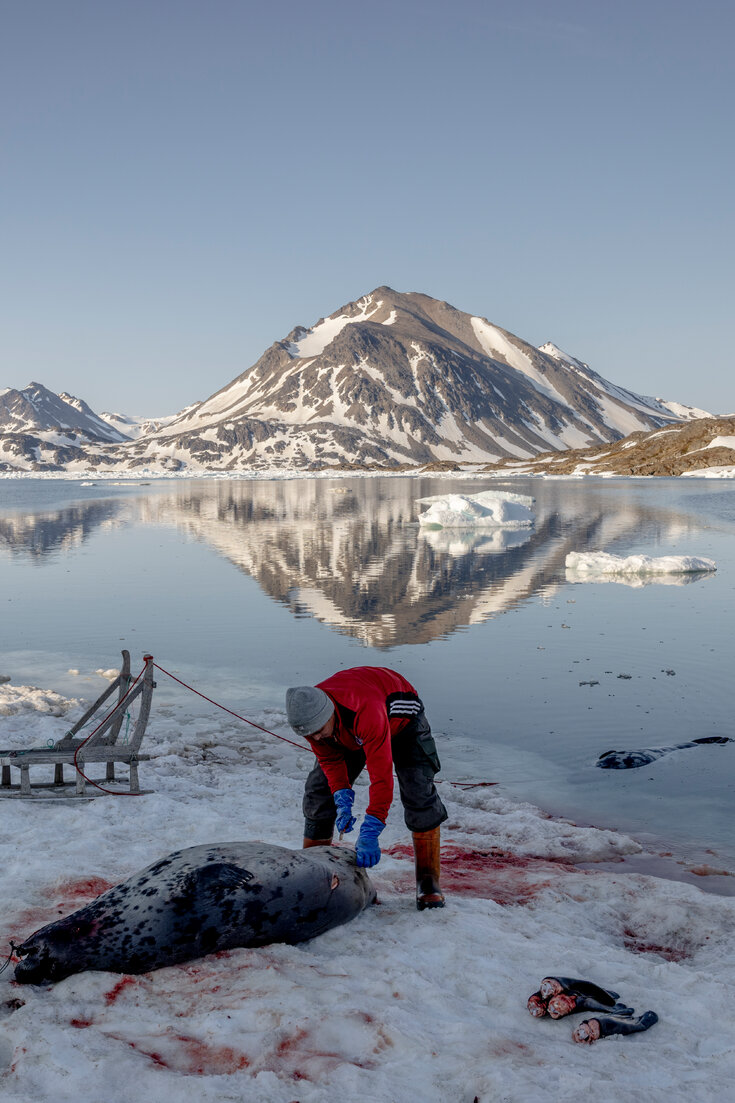
Kulusuk, Greenland – Anganni Mikaelsen navigated his boat near icebergs when a gleaming head emerged from the water. His rifle rang out, piercing the calm. Mr. Mikaelsen was hunting seals, a practice entrenched in Greenlandic tradition.
Seals are vital for the people here. They consume the meat, feed sled dogs, and wear sealskins. The pelts are traded for money, and bones become jewelry. Seals have enabled survival in this harsh environment for centuries. The significance of seals to Greenland cannot be overstated.
Seal Hunting and International Criticism
Many international groups have long decried seal hunting as cruel. Countries like the United States ban seal products. Still, some countries exempt indigenous products. In Greenland, the sealskin trade is crucial, supporting many Inuit hunters.
Once seals are butchered, hunters sell the skins. A lengthy process follows to make clothing. Fat is removed, skins are washed, and then soaked to eliminate salt and blood. Further cleaning, dyeing, and cutting refine them.
The Industry in Tannery and Beyond
The Great Greenland tannery in Qaqortoq operates like a massive dry cleaner, filled with a salty ocean scent. The company thrives on selling sealskin pelts, accessories, and luxurious jackets, sometimes exceeding $1,000.
Walking through Nuuk, Greenland’s capital, one notices sealskin garments in shops and national museum exhibits. Statues honor seals, reflecting their cultural importance.
“No seal, no life,” remarked Frederick Willie, a local schoolteacher.
Perceptions and Subsistence
Mr. Mikaelsen knew of international disapproval but believed outsiders failed to grasp seal hunting’s role in Greenlandic society. He and his family rely on seals to live. In his town, Kulusuk, families often gather at the harbor to handle the catch and prepare skins.
As Mikaelsen departed in his boat, leaving a trail of fresh blood, he sang quietly. “This will last us five or six days,” he said, grinning. “And it will be good eating.”