
The House narrowly passed a resolution to halt U.S. military action in Iran by a vote of 214-208. This signals to President Donald Trump that congressional support for the war is waning. The Senate previously rejected a similar resolution with a close 47-49 vote.
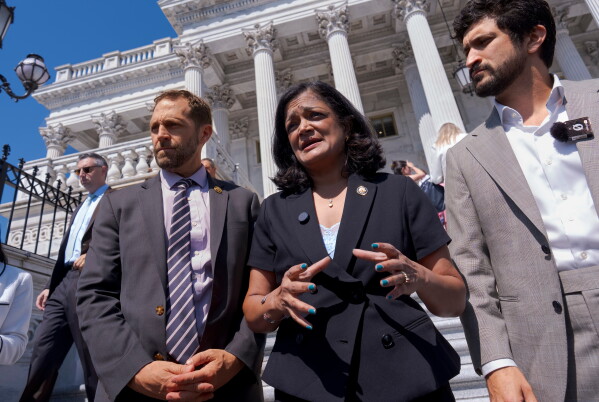
Democrats pushed these votes to show opposition to the ongoing conflict. Many lawmakers across party lines have questioned the administration’s objectives. Rep. Pramila Jayapal from Washington criticized the war for having no clear mission or strategy.
A few Republicans joined Democrats in supporting the House resolution. However, most Republicans backed the war and supported Trump’s decision-making. Joint U.S. and Israeli airstrikes began the war in late February. Despite reaching a fragile ceasefire in April, Trump declared it over this month, leading to continued American airstrikes.
The White House maintains the president’s authority to defend against threats and argues that actions are necessary to prevent Iran from obtaining nuclear weapons. Diplomatic efforts appear stalled while tensions around the Strait of Hormuz, a critical waterway for energy, continue. Economic disruptions and rising fuel prices add to concerns ahead of U.S. midterm elections.
Sen. Chris Van Hollen of Maryland emphasized accountability for the unpopular war, noting its costs and fatalities. Republican Brian Mast from Florida honored fallen service members, defending their sacrifice as meaningful against Iran’s aggressions. Meanwhile, Democrat Gregory Meeks from New York argued the war’s legitimacy was lacking.
As political pressures rise, voting against the war may carry political consequences. Trump criticized Republicans siding with Democrats, labeling them negatively. Sen. Bill Cassidy from Louisiana, who faced Trump’s criticism, expressed frustration over the evolving conflict and demanded more transparency. After failing reelection, Cassidy reverted his stance following discussions with Trump.
A recent Washington Post/Ipsos poll revealed many Americans disapprove of Trump’s handling of the conflict. Only two-thirds of Republicans support him, with a notable portion skeptical about the war’s worth and effectiveness.
Sen. Tim Kaine of Virginia suggested blocking war funding if Congress cannot compel Trump to seek authorization. Although the House approved a $95 billion budget with war funding, the Senate’s decision remains uncertain.