
In my early twenties, I was uncertain about my future but drawn to the idea of joining the military. At 23, I took steps to pursue this path. It was 2010, and the process began with medical tests, including a Pap smear, blood work, urine samples, and an ECG. While undergoing these tests, the doctor introduced a new, quick HIV test. It caught my interest, and I agreed to try it.
The test involved a simple mouth swab. I felt no anxiety about the results. It was surprising when the doctor returned, visibly shaken, to reveal the test was positive for HIV. This was unexpected. The doctor had never encountered a positive result, which led to questions about a possible false positive.
Further testing was necessary to confirm the result. Awaiting the blood test outcomes felt like an eternity. On December 8, 2010, the confirmation arrived: the initial test was correct. This life-changing news was overwhelming and difficult to process. Thoughts of stigma and fear of isolation consumed me.
The origin of my HIV was unknown, with the doctor suggesting I had been living with it for about a year and a half. Despite this, my CD4 count was normal, and my viral load remained low.
“It Was Extremely Difficult to Accept”
After hearing the news, I needed the support of my brother. Visiting him, I broke down the moment I arrived. His response was one of support and acceptance. This support played a crucial role in my ability to cope with the diagnosis.
Initially, accepting the diagnosis was challenging. It took me years to truly come to terms with it. By late 2019, following a challenging relationship, I made a promise to focus on my well-being. This included daily exercise, healthy eating, and positive affirmations. These changes helped me openly discuss and accept my diagnosis.
My daily routine now includes physical activity, a nutritious diet, and necessary supplements, including antiretroviral medication. This therapy helps manage the virus, maintain my immune system, and prevent transmission.
HIV is misunderstood and often viewed as a life-ending diagnosis. Yet, with treatment, achieving an undetectable status is possible, making transmission impossible. Those living with HIV can pursue dreams, family life, and a fulfilling future.
“Life Does Not End Because of an HIV Diagnosis”
Life’s challenges define who you are by how you respond. I learned that relationships can be transient; acceptance is crucial. Now, I approach life with gratitude, understanding the power of choice in shaping my future.
Open communication is important. I began discussing my diagnosis with my son when he was 12. These conversations continue at their own pace. When my daughter is older, I’ll do the same.
Despite progress in awareness, stigma persists. Misinformation continues to influence public perception, reminiscent of the 1980s. It’s crucial to emphasize that an HIV diagnosis changes the path but does not diminish potential.
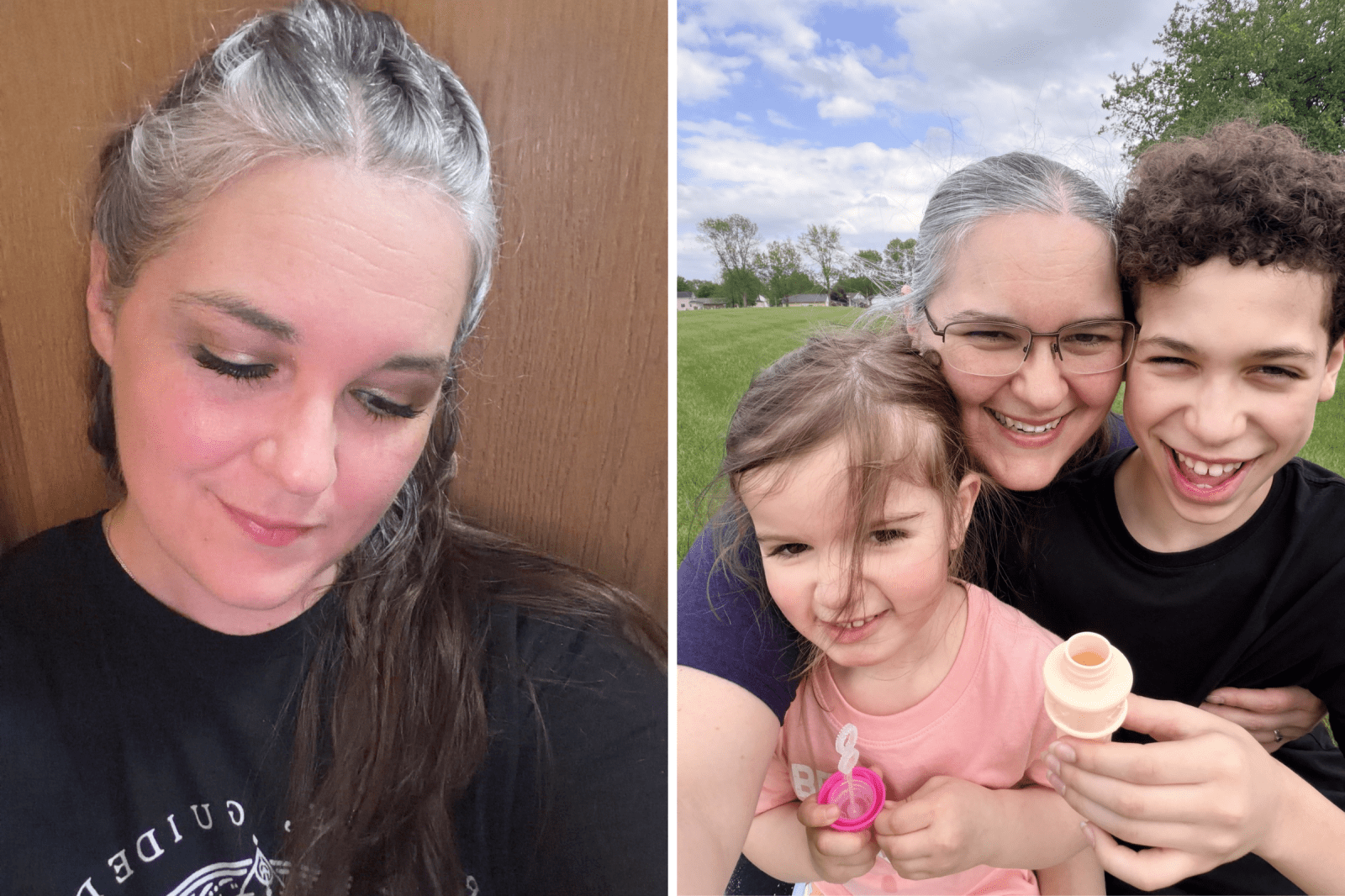
Jacklyn Nusbaum, 39, resides in Minnesota with her children. Embracing her diagnosis, she uses TikTok (@rising.scorpio1) to promote awareness and education.