
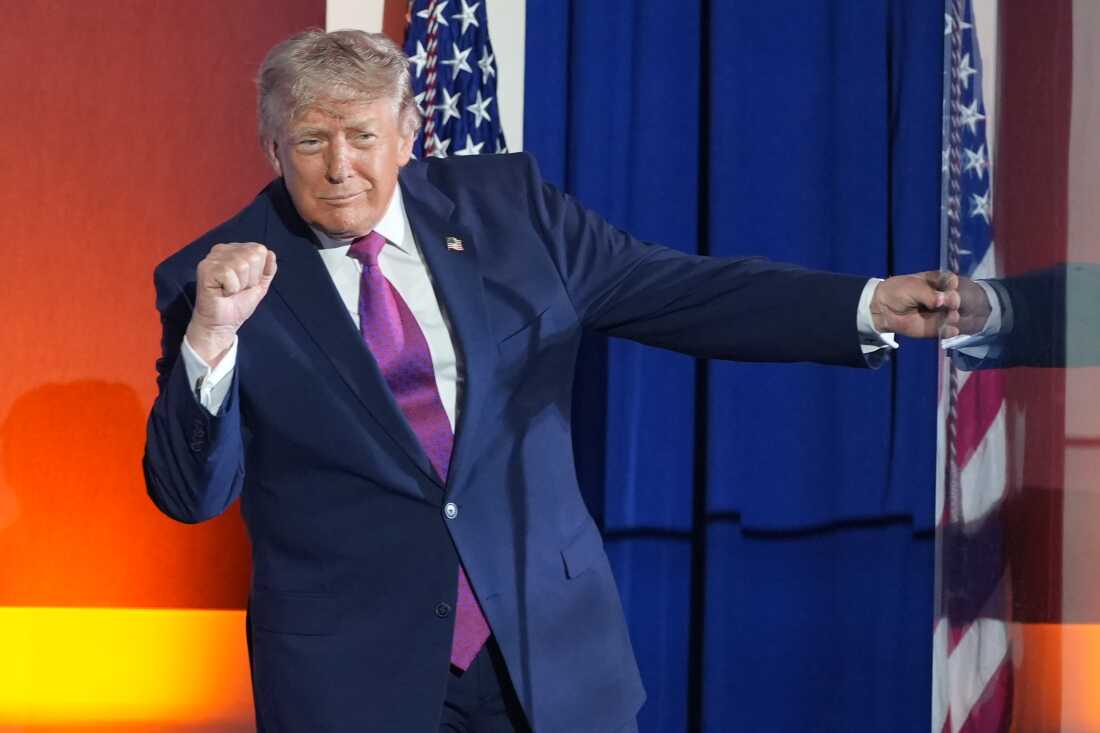
President Donald Trump addressed the nation on the 250th anniversary of American independence at Mount Rushmore. His speech emphasized American exceptionalism before shifting to a warning about communism as a significant threat to American liberty. Trump ranked the threat of communism alongside major historical events like World War I, World War II, and 9/11.
Unlike previous presidents’ typically apolitical Independence Day speeches, Trump’s language recalled the Red Scare era. Meanwhile, in New York City, Mayor Zohran Mamdani, a democratic socialist, delivered a speech celebrating America’s ongoing journey towards its founding ideals.
The day coincided with a severe heatwave affecting much of the eastern U.S. Philadelphia canceled its Salute to Independence parade, while the Great American State Fair in Washington briefly closed before reopening. The Capitol Fourth concert proceeded with performers like Patti LaBelle and fireworks over George Washington’s Mount Vernon. However, some scheduled events in Washington faced cancellations.
Visitors to the National Mall, enduring the heat, sought refreshments and photographed flyovers. Glenn Brooks, pardoned for his involvement in the Capitol attack, expressed gratitude for participating in the celebrations. Meanwhile, the Pacific Northwest enjoyed cooler temperatures, allowing residents to participate in holiday activities comfortably.
As the anniversary highlighted national history, it also underscored political polarization. In his address, Mamdani indirectly referenced Trump’s divisive rhetoric, advocating for enduring American ideals.
Organizations like Freedom 250 and America250 coordinated various events across the nation. Surveys indicated mixed emotions among Americans, with 40% expressing pride and 30% feeling excitement about the anniversary.
Some individuals focused on community celebrations, like Joe Fuqua-Bejarano in Topeka, Kansas, who saw unity and resilience as essential. In Massachusetts, Christina Zhou preferred local observances for a sense of personal control. Others, like Jerry Chin in Washington, expressed concerns about political and healthcare issues yet acknowledged America’s greatness.
Visitors at the National Archives in Washington viewed foundational American documents. Michael Dresdner from New Jersey, attending with a politically diverse group, found hope in their shared love for the country.