
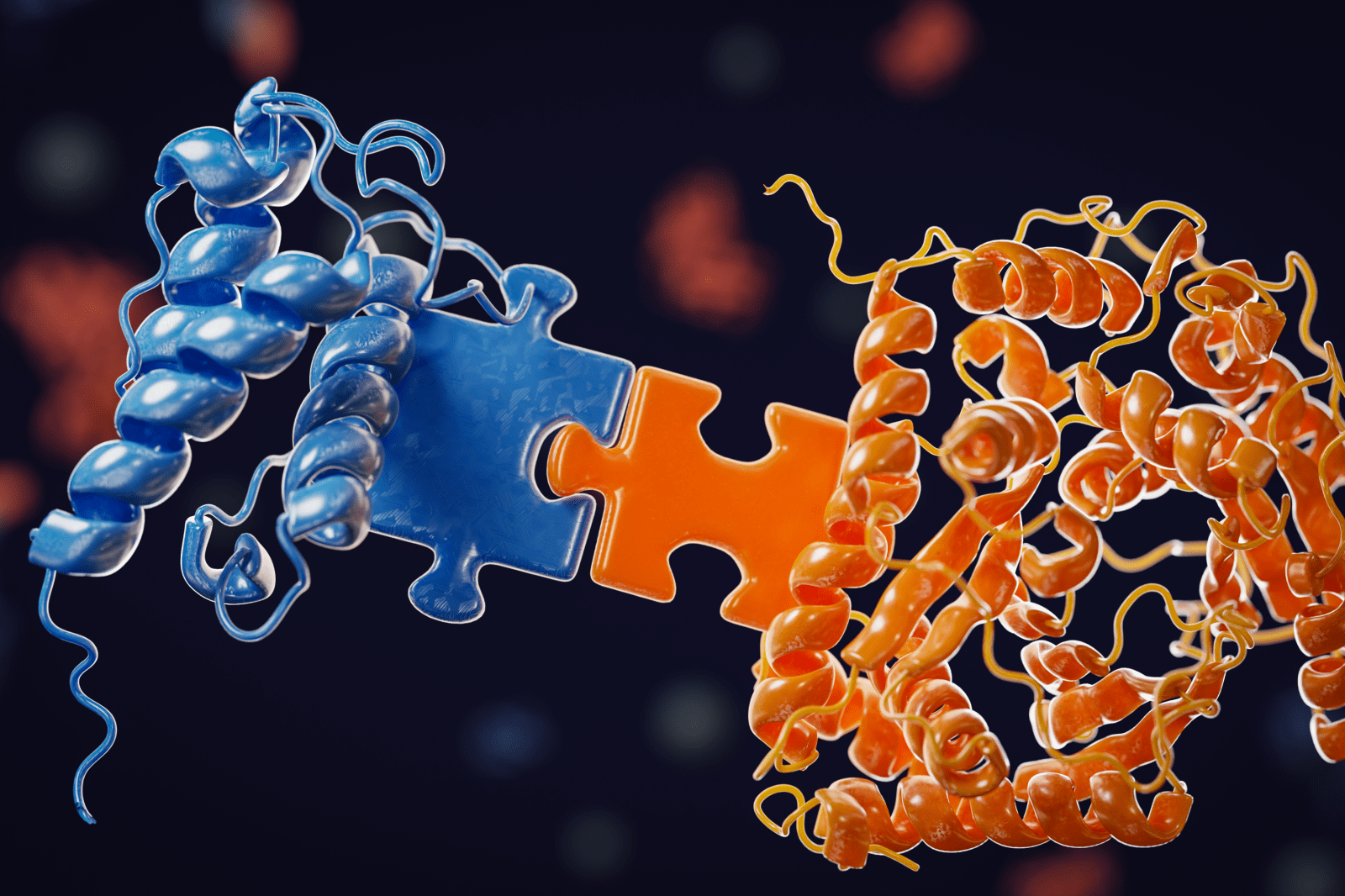
Enzyme Systems and HDAC Inhibitors
Research has unveiled the process by which bacteria synthesize cancer-fighting compounds, offering a new frontier in medical treatment development. Recent findings, published in Nature Communications, detail how enzyme systems interact to produce HDAC inhibitors. These compounds are known to hinder cancer cell proliferation.
This discovery has the potential to significantly accelerate the creation of libraries of drug candidates and, importantly, should enable those with the most promise to be manufactured at scale for a reasonable cost,said Dr. Munro Passmore from the University of Warwick.
Challenges in Drug Development
Despite the promising discovery, Dr. Passmore noted the lengthy process required for new treatments to reach patients, including preclinical testing and clinical trials.
This extensive procedure, which must be followed for all new drugs, can take up to a decade and often exceeds $1 billion in costs.
Combinatorial Biosynthesis: A Natural Process
The research centers on combinatorial biosynthesis, where bacteria produce related molecules by rearranging chemical components. Bacteria utilize enzyme complexes akin to assembly lines to form intricate compounds such as antibiotics and anticancer drugs.
PKS and NRPS Systems
Two significant systems, polyketide synthases (PKSs) and nonribosomal peptide synthetases (NRPSs), are integral to constructing complex molecules. The study focused on a hybrid system crafting depsipeptide HDAC inhibitors. These inhibitors share a core structure, yet possess varying peptide segments, impacting their interaction with biological targets.
Discovering Enzyme Interactions
Researchers identified how these enzyme components connect, a crucial step in forming new drug-like compounds. Docking interactions permit enzyme systems to engage and transfer intermediate molecules towards completion.
The presence of a β-hairpin docking domain is pivotal, enabling intersystem connectivity essential for compound production. When disrupted, this interaction halts the creation of target compounds, emphasizing its vital role.
Potential for Drug Innovation
Professor Greg Challis underscored the potential in leveraging this biosynthetic flexibility to develop novel drugs. The study indicates that enzymes from distinct biosynthetic pathways can merge, hinting at opportunities to create unique molecules.
Initial data suggest the class of drugs produced by the ‘mix-and-match’ mechanism has promising activity against several types of cancer that don’t respond well to existing treatments,Challis remarked.
The ‘mix-and-match’ mechanism is expected to facilitate the discovery of new drug members with improved clinical efficacy, setting the stage for scalable production and subsequent trials.