
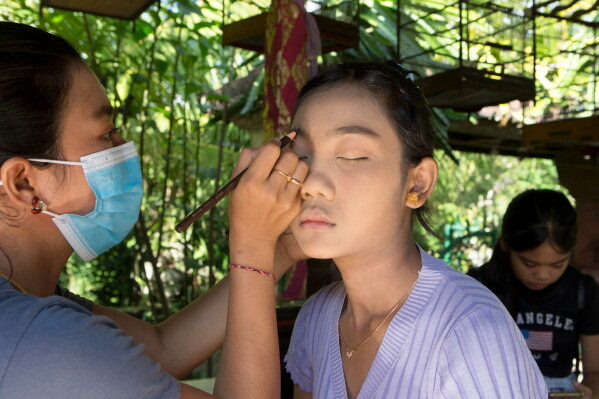
In Karangasem, Indonesia, Ketut Alit Widiantari, along with more than 30 women, took part in a sacred ritual. They walked barefoot to the temple courtyard, dressed in traditional attire with vibrant headdresses made of leaves and flowers. This preparation was for the Rejang dance during the Kuningan holiday, the conclusion of the 10-day Galungan festival, celebrating the triumph of good over evil.
The event took place on June 27, 2026, at Bali’s Puseh temple, a spiritual hub for the Balinese Hindu community. As part of the Kuningan celebration, villagers believe that deities and ancestral spirits return to the heavens after visiting their families and communities. For 14-year-old Widiantari and her peers, performing the Rejang dance is a significant tradition during this time.
Rejang is a sacred dance performed by young women in traditional garments. They move slowly in a ritualistic manner around the temple, presenting an offering to the unseen audience of God and ancestors. The dance begins after the girls receive blessings from the temple priest, who also examines their costumes and headdresses.
This dance shows various forms across Bali, influenced by different rituals and communities that maintain its practice. In Karangasem, where villages uphold unique traditions visible in their temple designs, Rejang becomes more than a sacred offering. It reflects the identity of Widiantari and other dancers through costumes, music, and formations.
The men of the village play traditional musical instruments during the dance. Meanwhile, women gather, and dancers await their turn to perform. The Rejang dance is an essential part of closing the Galungan and Kuningan celebrations each year, embodying the prayer and traditions that sustain the community.